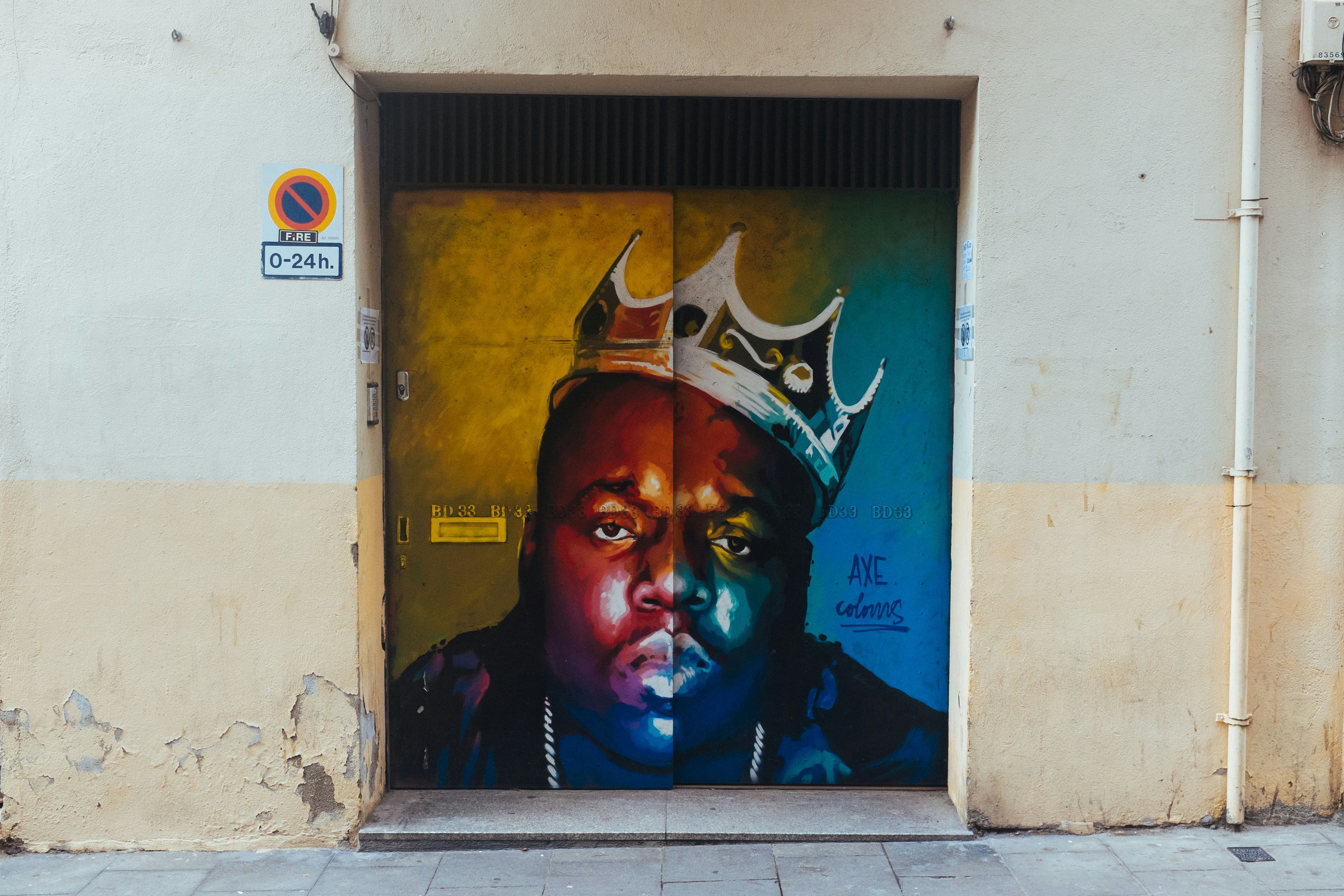
Barcelona is famous for many things: Gaudí, beaches, nightlife, architecture, and Mediterranean culture. But beyond the tourist postcards, there is another side of the city painted across shutters, hidden alleyways, abandoned factories, and massive walls.
Welcome to the world of street art Barcelona.
From giant murals in Poblenou to underground graffiti spots in El Raval, Barcelona has become one of Europe’s most important urban art capitals. The city is constantly evolving, and so is its street art scene. Murals appear overnight, artists transform forgotten spaces, and entire neighborhoods become open-air galleries.
Whether you are an art lover, a photographer, or simply curious about discovering a different side of the city, this guide will help you explore the best of urban art Barcelona in 2026.
Why Barcelona has become a street art capital
Barcelona has always had a strong creative and rebellious identity. For decades, artists, skaters, musicians, designers, and graffiti writers have used the city as a canvas for experimentation and expression.
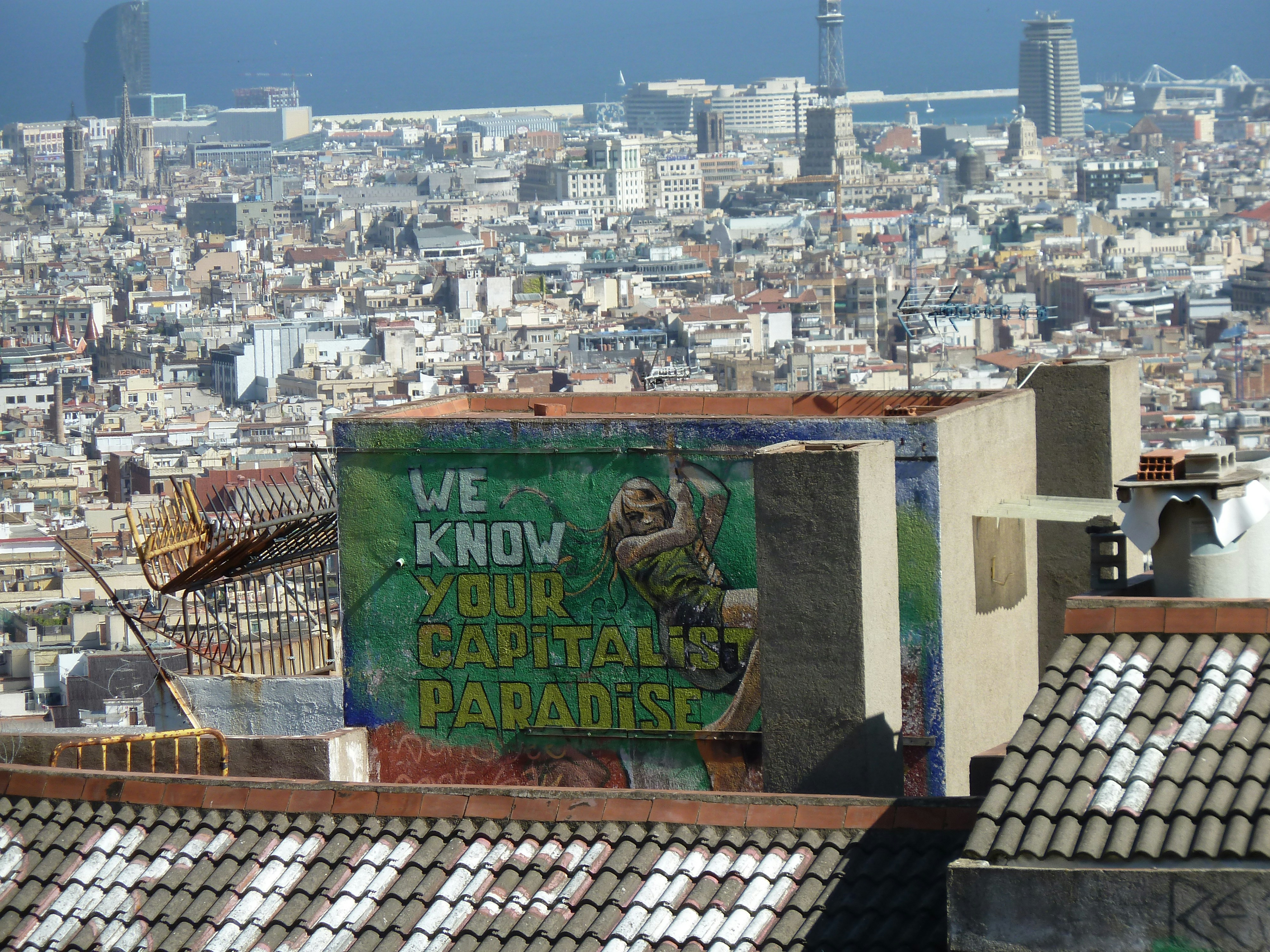
During the 1990s and early 2000s, the city experienced an explosion of graffiti and street culture. Walls across Barcelona became spaces for artistic freedom, political messages, and creative interventions.
Although regulations around graffiti have become stricter in recent years, the street art movement never disappeared. Instead, it evolved.
Today, Barcelona is home to:
internationally recognised muralists
underground graffiti writers
urban art festivals
creative collectives
galleries and museums dedicated to urban culture
The result is a city where art continues to live beyond traditional museums.
The best areas to discover street art in Barcelona
One of the best things about exploring Barcelona graffiti culture is that every neighborhood has its own personality and visual language.
Poblenou: Barcelona’s open-air urban art museum
If there is one neighborhood that defines street art Barcelona, it is Poblenou.
Once an industrial district filled with factories and warehouses, Poblenou has transformed into one of the city’s most creative areas. Its massive walls and abandoned spaces became the perfect canvas for large-scale murals and experimental urban art.
Walking through Poblenou feels like visiting an outdoor gallery.
Some of the highlights include:
giant murals covering factory walls
hidden graffiti pieces between industrial buildings
colorful contemporary urban art
constantly changing interventions by local and international artists
The area around Poblenou Urban District and the old industrial streets is especially rich in murals.
Many people searching for the best street art Barcelona experience start here — and for good reason.
El Raval: raw, creative, and constantly changing
El Raval offers a completely different energy.
More chaotic, multicultural, and underground, this neighborhood has long been connected to alternative culture, skateboarding, music, nightlife, and graffiti.
The streets of El Raval are filled with:
tags
stickers
stencil art
paste-ups
political messages
experimental interventions
Street art here often feels more spontaneous and raw than in other parts of the city.
One of the most famous urban art references in the area is the large mural inspired by Keith Haring’s “Todos Juntos Podemos Parar el Sida”, which became an iconic symbol of social awareness and public art in Barcelona.
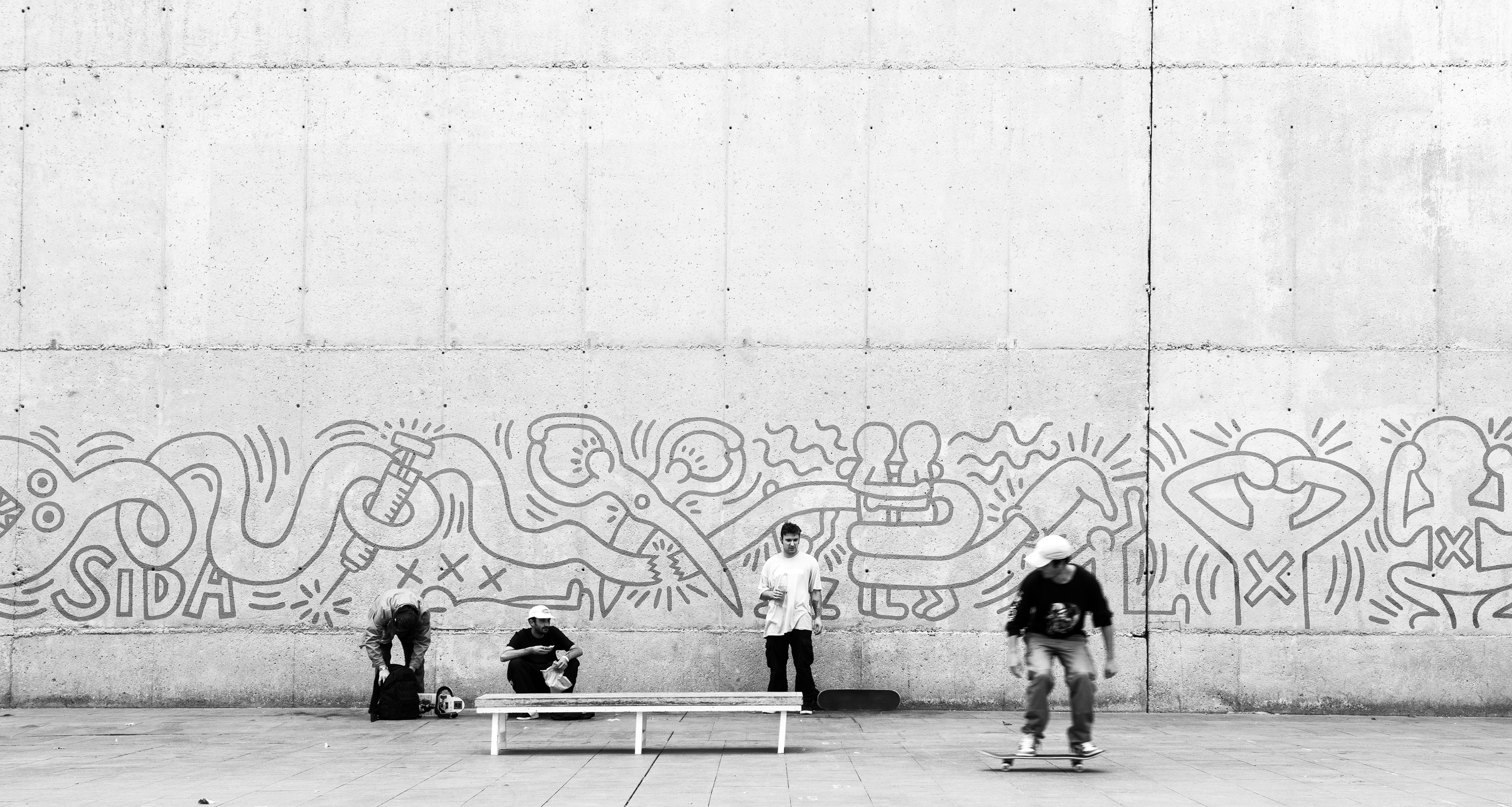
El Raval is also one of the best places to discover emerging Barcelona street artist talent.
Gràcia: hidden creativity everywhere
Gràcia has a quieter and more local street art scene, but that is exactly what makes it special.
Instead of huge murals, the neighborhood is filled with:
artistic shutters
hidden stickers
poetic interventions
small illustrations
independent creative spaces
Walking through Gràcia feels more intimate and organic. The art appears unexpectedly in corners, doors, and side streets.
It is the perfect neighborhood for people who enjoy discovering details rather than only large-scale murals.
Gothic Quarter and Born: small interventions and political art
Although these historic areas are not famous for giant murals, they still contain important elements of Barcelona’s urban art culture.
Here you will often find:
stencil pieces
political street art
anti-tourism messages
small visual interventions
graffiti hidden inside medieval streets
The contrast between ancient architecture and contemporary urban expression creates a unique atmosphere impossible to replicate elsewhere.
Famous Street Art and Murals in Barcelona
Barcelona is full of iconic murals and urban interventions. Some disappear quickly, while others become cultural landmarks.
When searching for famous street art in Barcelona, these are some of the most recognised styles and locations:
Large-Scale industrial murals in Poblenou
Massive colorful works covering old factories have become one of the visual symbols of the city’s urban art scene.
Keith Haring’s Mural in El Raval
A recreation of his famous anti-AIDS mural remains one of the most culturally important public artworks in Barcelona.
Skate and graffiti culture around MACBA
The area surrounding MACBA is internationally famous for skateboarding and graffiti culture. Even if murals constantly change, the creative energy of the space remains iconic.
Hidden graffiti alleys
Some of the most interesting pieces in Barcelona are not famous at all. They exist for a few days or weeks before disappearing, which is part of what makes urban art exciting.
Barcelona graffiti artists and urban creators
Some Barcelona urban art artists focus on traditional lettering and tagging culture, while others create large conceptual murals blending illustration, activism, surrealism, and contemporary art.
Barcelona’s urban art scene includes globally recognised artists such as Aryz, known for his monumental figurative paintings, Sixe Paredes, one of the pioneers of Barcelona’s urban art movement, and Kenor, whose geometric and abstract style became iconic within the city’s graffiti scene.
The city has also welcomed internationally influential names connected to urban art and mural culture, including Okuda San Miguel, Felipe Pantone, Vhils, Bordalo II, OsGêmeos, Escif, PichiAvo, Mina Hamada, and Seth, all of whom explore very different visual languages — from large-scale murals and surrealist characters to abstraction, sculpture, installation, and socially engaged art.
All of these artists are also part of the BAS collection, allowing visitors to experience their work beyond the streets and discover how urban art continues evolving inside contemporary cultural spaces.
Can you do a street art tour in Barcelona?
Absolutely.
In fact, exploring the city through urban art is one of the best ways to discover neighborhoods beyond the typical tourist routes.
A street art tour Barcelona experience allows visitors to understand:
the stories behind the murals
the political and cultural context
the evolution of graffiti culture
the artists shaping the city
Some people choose organised experiences, while others prefer creating their own route.
The best approach is simple:walk slowly, look up, and allow yourself to get lost. And why not start your tour at BAS Museum?