
Walk through almost any major city and you will find colourful murals, striking stencils, elaborate lettering and unexpected artwork covering walls, shutters and buildings. Some people see these creations as a celebration of creativity, while others consider them an eyesore. So, are street art and graffiti vandalism, or can art on public walls be something more?
The answer is not as straightforward as you might think. It depends on permission, the artist's intentions, the impact on the surrounding space and, sometimes, the law. Understanding the differences between street art and graffiti can help us see why this debate continues to divide opinions.

What is the difference between street art and graffiti?
Although the terms are often used interchangeably, street art and graffiti have different histories, styles and cultural associations.
Graffiti is traditionally associated with lettering, tags and elaborate signatures used by artists to express their identity, establish a reputation or mark their presence in a city. Modern graffiti developed significantly in New York during the late 1960s and 1970s, becoming an important part of hip-hop culture.
Street art, on the other hand, encompasses a broader range of visual expressions in public spaces. Murals, stencils, paste-ups, installations and large-scale paintings can all fall under this category. Street art often communicates social or political messages, challenges conventional ideas or transforms overlooked urban spaces.
However, the distinction is not absolute. Many artists move between both worlds, and some works combine graffiti lettering with mural painting or other techniques.
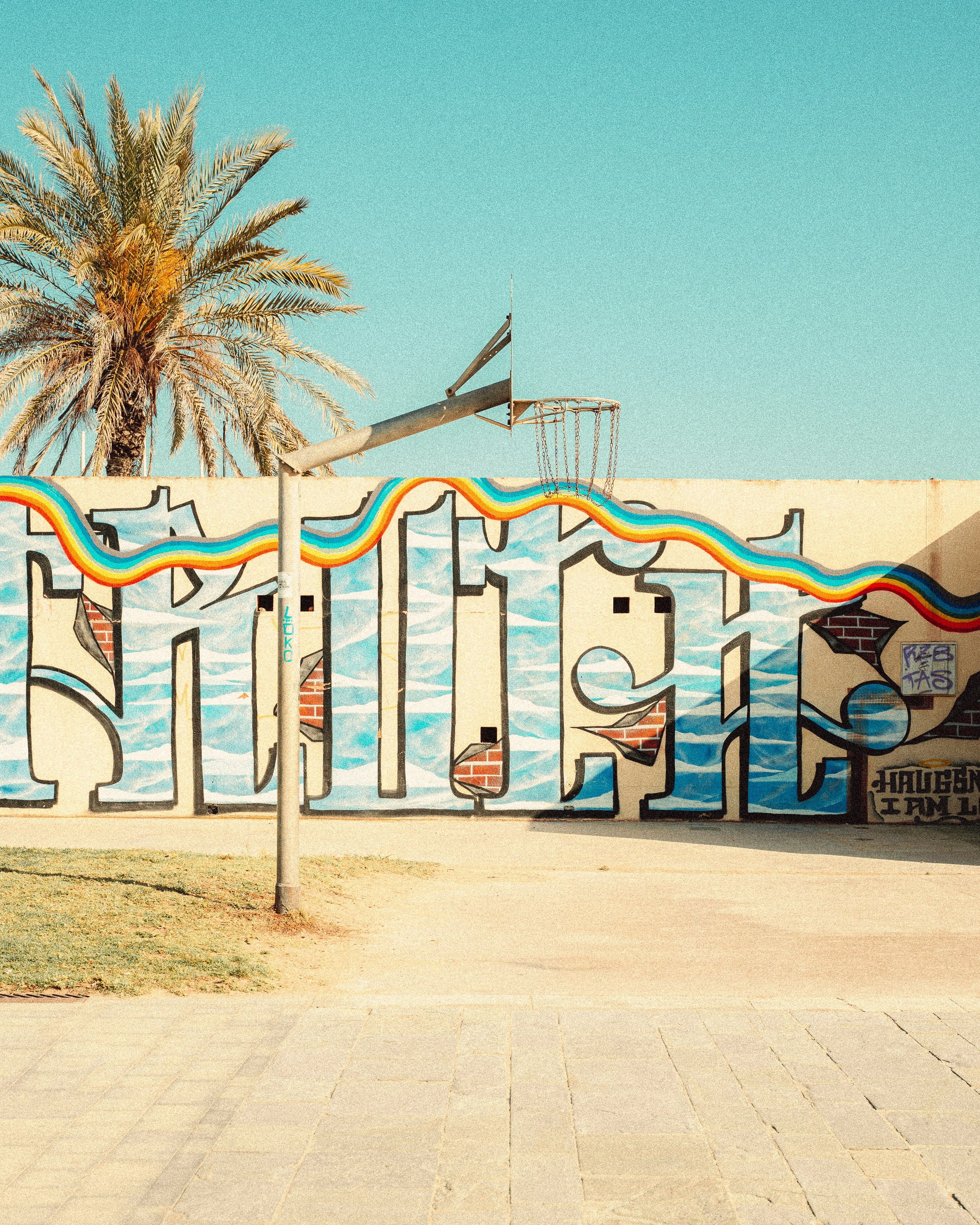
Is graffiti vandalism? Understanding the legal side
When asking whether graffiti is vandalism, one of the most important factors is whether the artist has permission to paint the surface.
In many places, creating graffiti on private property or public infrastructure without authorisation can constitute vandalism or criminal damage. Depending on local legislation, the consequences may include fines, repair costs or other penalties.
However, not all graffiti is illegal. Artists can paint legally designated walls, participate in authorised projects or receive permission from property owners. In these cases, graffiti can become a recognised form of artistic expression rather than an act of property damage.
The same principle applies to street art. A beautiful mural does not automatically become legal simply because it looks professional or improves a building's appearance. Conversely, a simple tag created with permission is not necessarily vandalism.
In Barcelona, as in other cities, regulations governing graffiti and public spaces matter. Before painting a wall, artists need to understand the applicable rules and obtain any required authorisation.
Ultimately, the legal question is less about whether something looks artistic and more about whether the work was created lawfully.
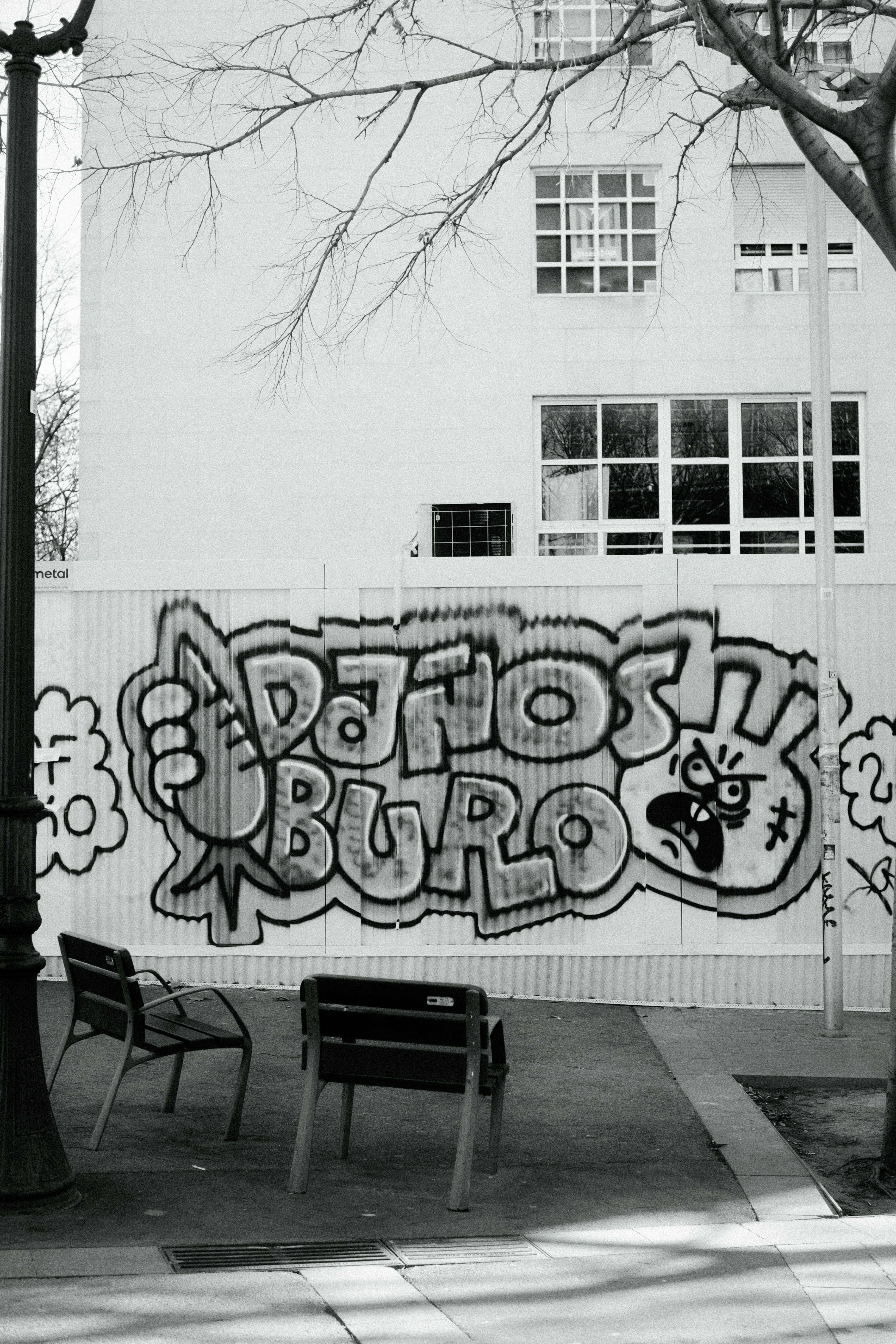
Why do some people believe street art is vandalism?
For some residents and property owners, street art is vandalism when it appears without permission, damages surfaces or makes a space feel neglected.
There are several reasons behind this perspective.
Property damage: paint can be difficult or expensive to remove, particularly from historic buildings, stonework and delicate surfaces.
Lack of consent: not everyone wants their property to become a canvas, even when the artwork is visually appealing.
Visual clutter: an abundance of tags or poorly maintained graffiti can make some streets feel chaotic rather than creative.
Heritage protection: unauthorised painting can damage historic architecture and culturally significant sites.
These concerns are valid. Public art does not exist in isolation; it affects the people who live, work and move through a neighbourhood.
Nevertheless, treating every painted wall as vandalism overlooks the cultural value that street art can bring to cities. A carefully planned mural can revitalise an overlooked area, encourage conversations and give local communities a stronger sense of identity.
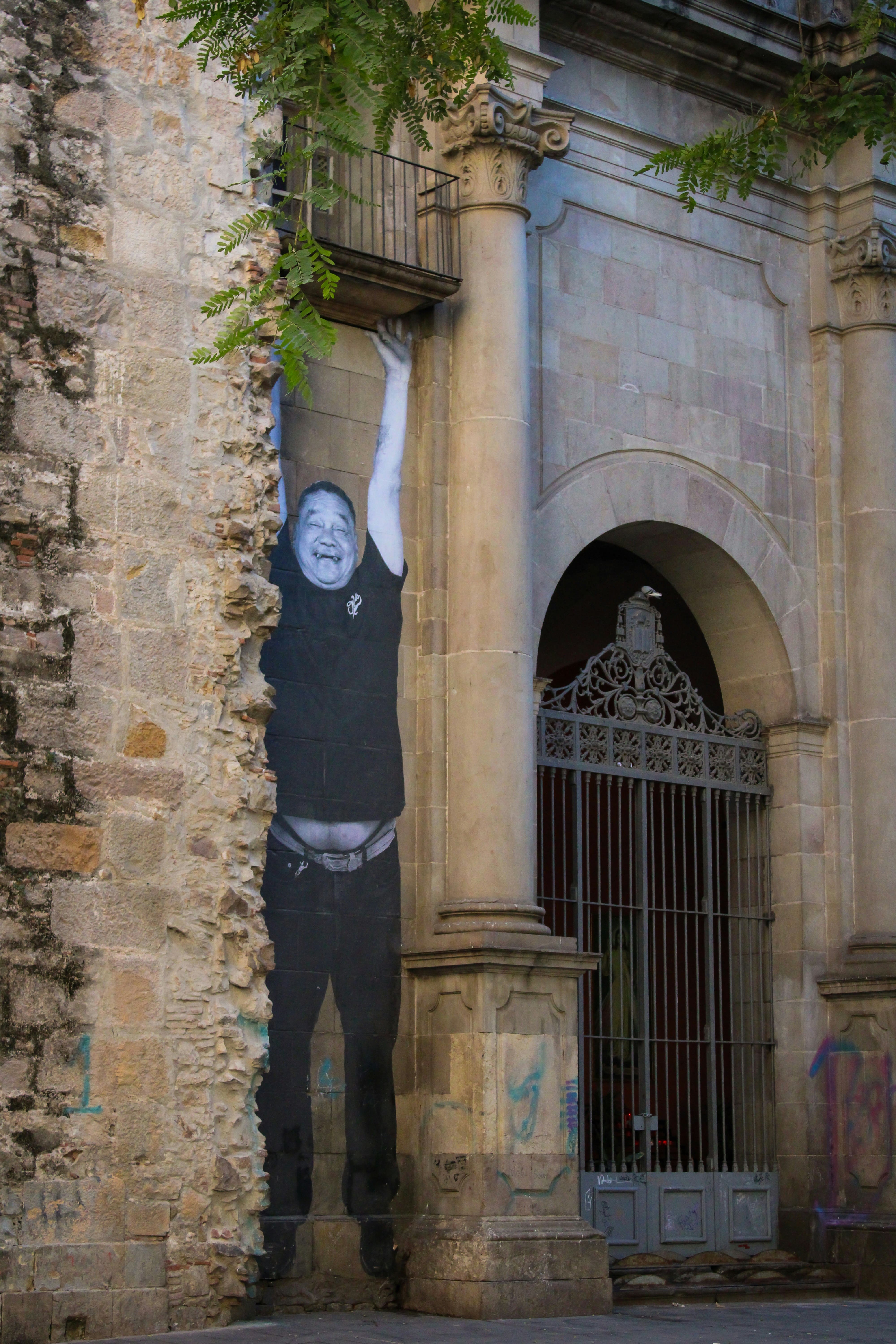
Is street art vandalism or a form of artistic expression?
To understand why this debate is so complicated, consider the work of internationally recognised artists such as Banksy, whose anonymous identity and politically charged artworks have helped bring street art into mainstream culture.
His stencils often address subjects such as war, consumerism, inequality and authority. Some works have become highly valuable, attracting collectors and visitors from around the world. Others have sparked controversy over whether they should be preserved, removed or protected.
The discussion becomes even more interesting when comparing the treatment of different artists. A mural commissioned by a city might be celebrated as a cultural landmark, while an unauthorised painting in a similar style could be removed. The visual result may be comparable, but the circumstances surrounding its creation are different.
Artistic quality and legality are two separate questions: something can be aesthetically impressive but illegal, just as something can be legally created without being particularly interesting.
The debate also raises a bigger question: who gets to decide what belongs in public space? Street art can challenge traditional ideas about who has access to artistic expression and whose stories deserve to be seen.

Where can you see street art in Barcelona?
Barcelona is an excellent city for exploring the relationship between urban art, architecture and public space. Different neighbourhoods offer distinct experiences, from colourful murals to smaller interventions tucked away on side streets.
For example, Poblenou’s street art provides a striking backdrop for large-scale murals and contemporary urban art. Former industrial buildings, creative spaces and changing streetscapes make the neighbourhood particularly interesting for anyone curious about how art can transform an urban environment.
El Raval’s street art offers another perspective, with its diverse cultural atmosphere and changing urban landscape. Exploring the neighbourhood on foot can reveal how art interacts with everyday life, architecture and local identity.
If you want to experience street art without relying entirely on chance encounters in the streets, BAS Museum offers another way to explore the scene. Located in Barcelona's Gothic Quarter, BAS brings together works by recognised urban artists in a dedicated museum setting, allowing visitors to appreciate different techniques, styles and artistic perspectives up close.