
The terms graffiti and street art are often used interchangeably, but are they actually the same thing? While both forms of urban expression share public spaces as their canvas, they have different histories, techniques, purposes, and cultural meanings.
Understanding the difference between graffiti and street art not only helps you appreciate the creativity behind them but also offers a deeper perspective on how cities like Barcelona have become global centres for urban art.
So, is graffiti street art? The answer isn't as simple as yes or no. Let's explore why.
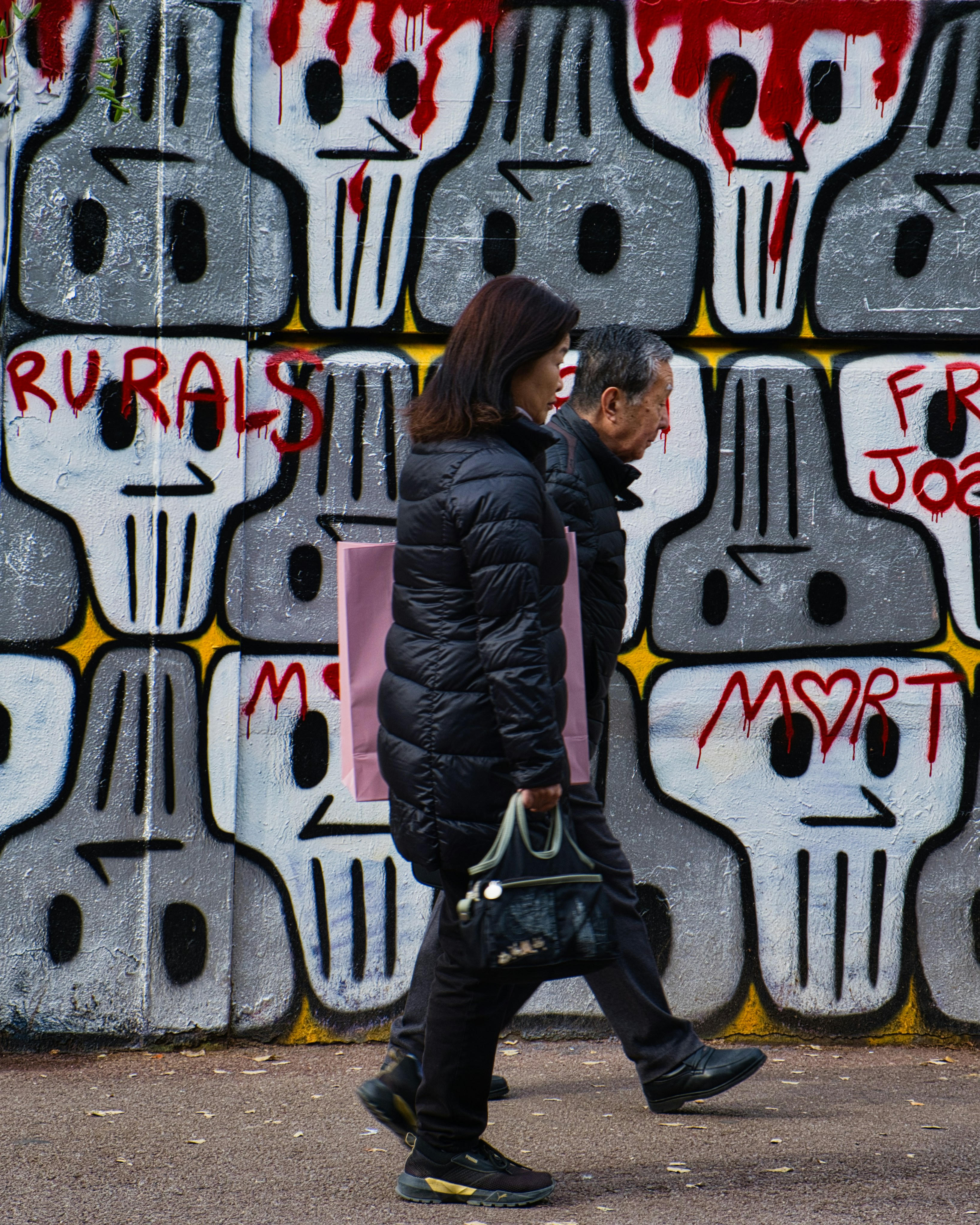
Are graffiti and street art the same?
Although graffiti and street art are closely connected, they are not exactly the same.
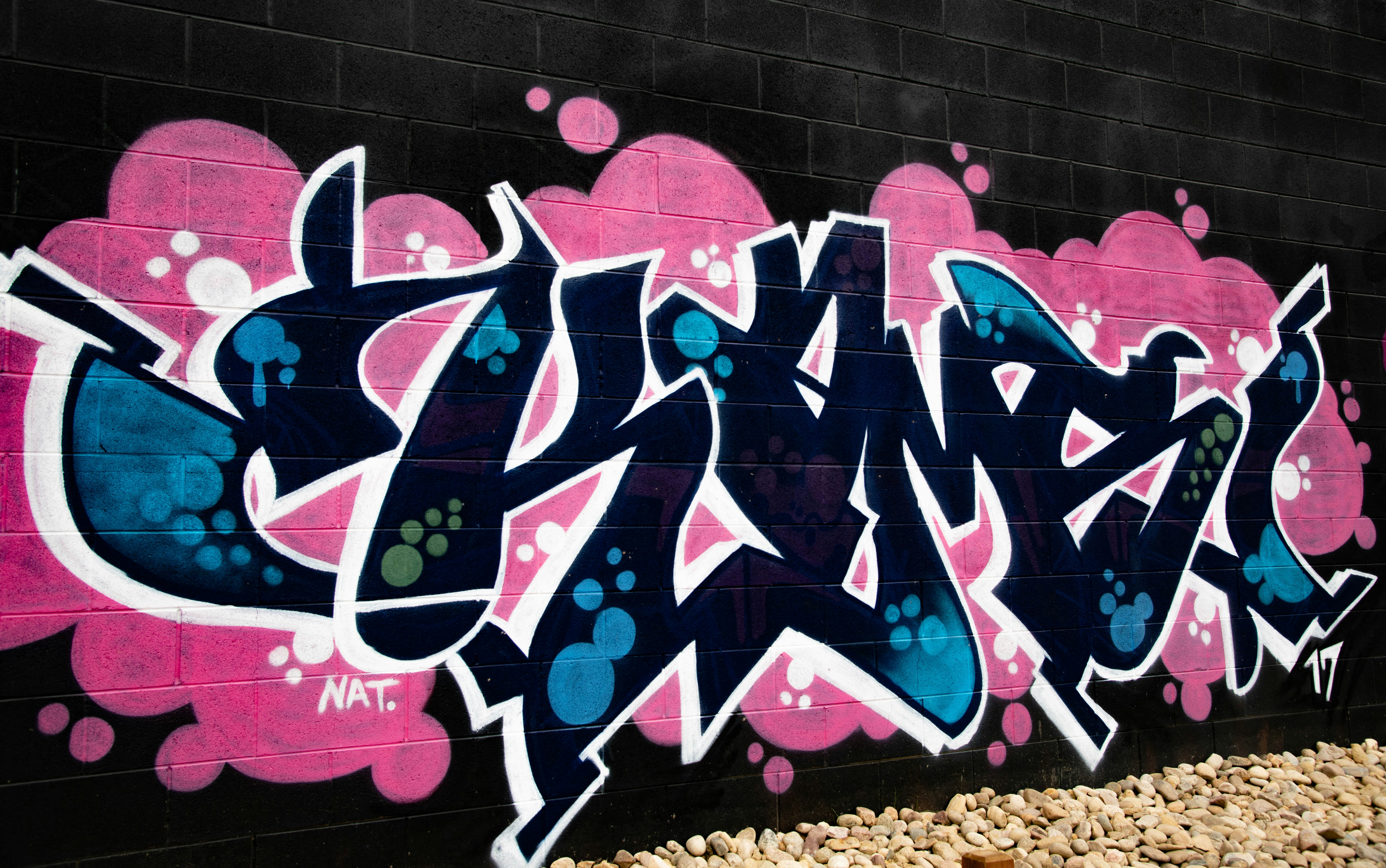
Graffiti is generally considered the older movement. It emerged primarily as a form of writing, where artists, often called writers, used stylised lettering, tags, and signatures to leave their mark across the city.
Street art developed later, expanding beyond lettering to include murals, stencils, paste-ups, installations, sculptures, and large-scale public artworks. While graffiti often speaks to other graffiti writers, street art is usually created with a broader audience in mind.
That said, the two movements constantly influence one another, and many contemporary artists move freely between both worlds.
What is graffiti?
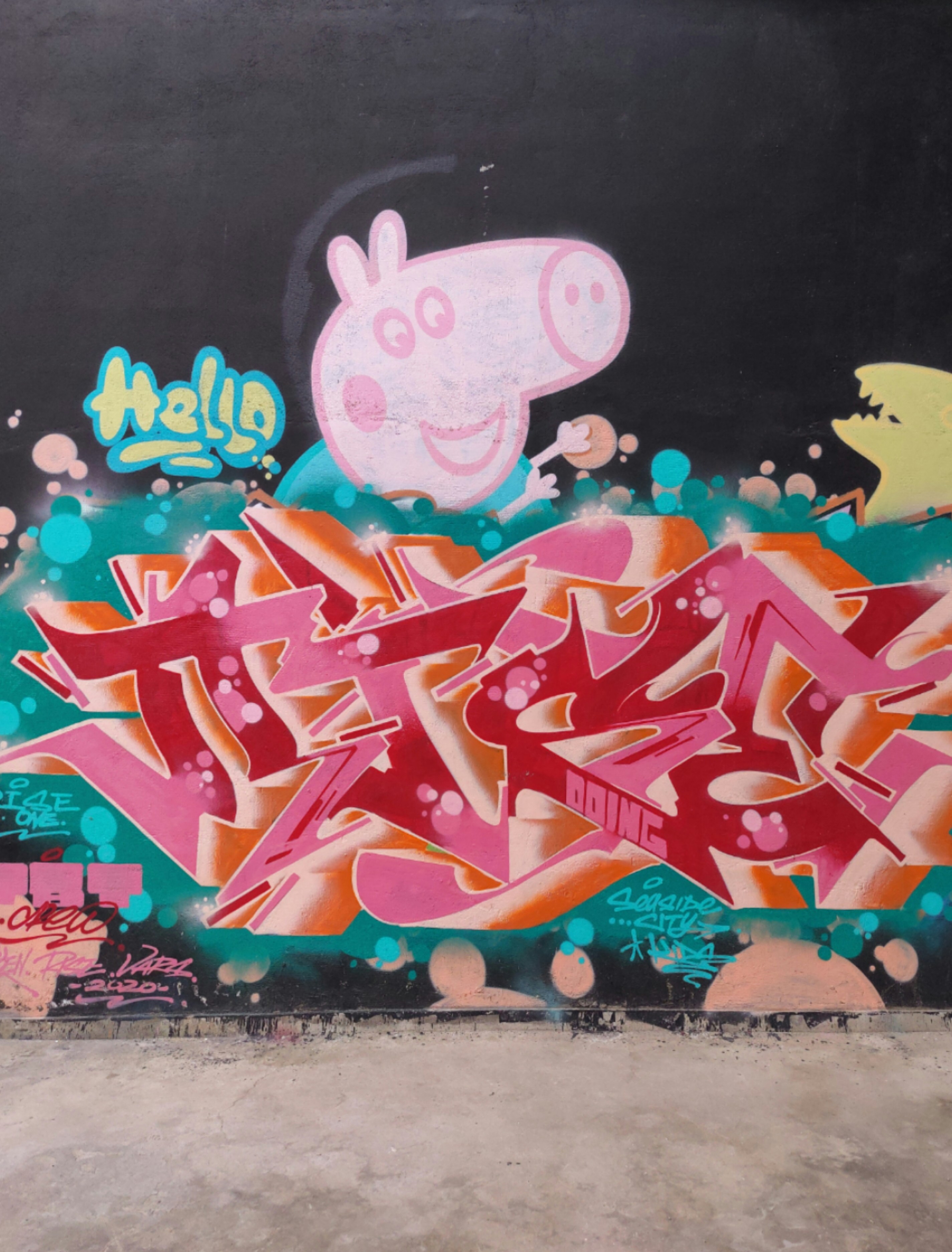
Modern graffiti originated in the late 1960s and early 1970s in cities such as New York and Philadelphia. Young artists began writing their names or aliases on walls, subway trains, and public spaces, developing increasingly elaborate lettering styles that became an artistic language of their own.
Over time, graffiti evolved into a rich visual culture with techniques including:
Tags
Throw-ups
Wildstyle lettering
Blockbusters
Pieces (masterpieces)
For graffiti writers, recognition often comes from originality, technical skill, and visibility rather than creating works intended for tourists or gallery visitors.
Graffiti has long been associated with hip-hop culture alongside DJing, breakdancing, and MCing, becoming one of the movement's four original pillars.
Although much graffiti is created without permission and is therefore considered illegal in many cities, it has had an enormous influence on contemporary visual culture and graphic design.
What is street art?
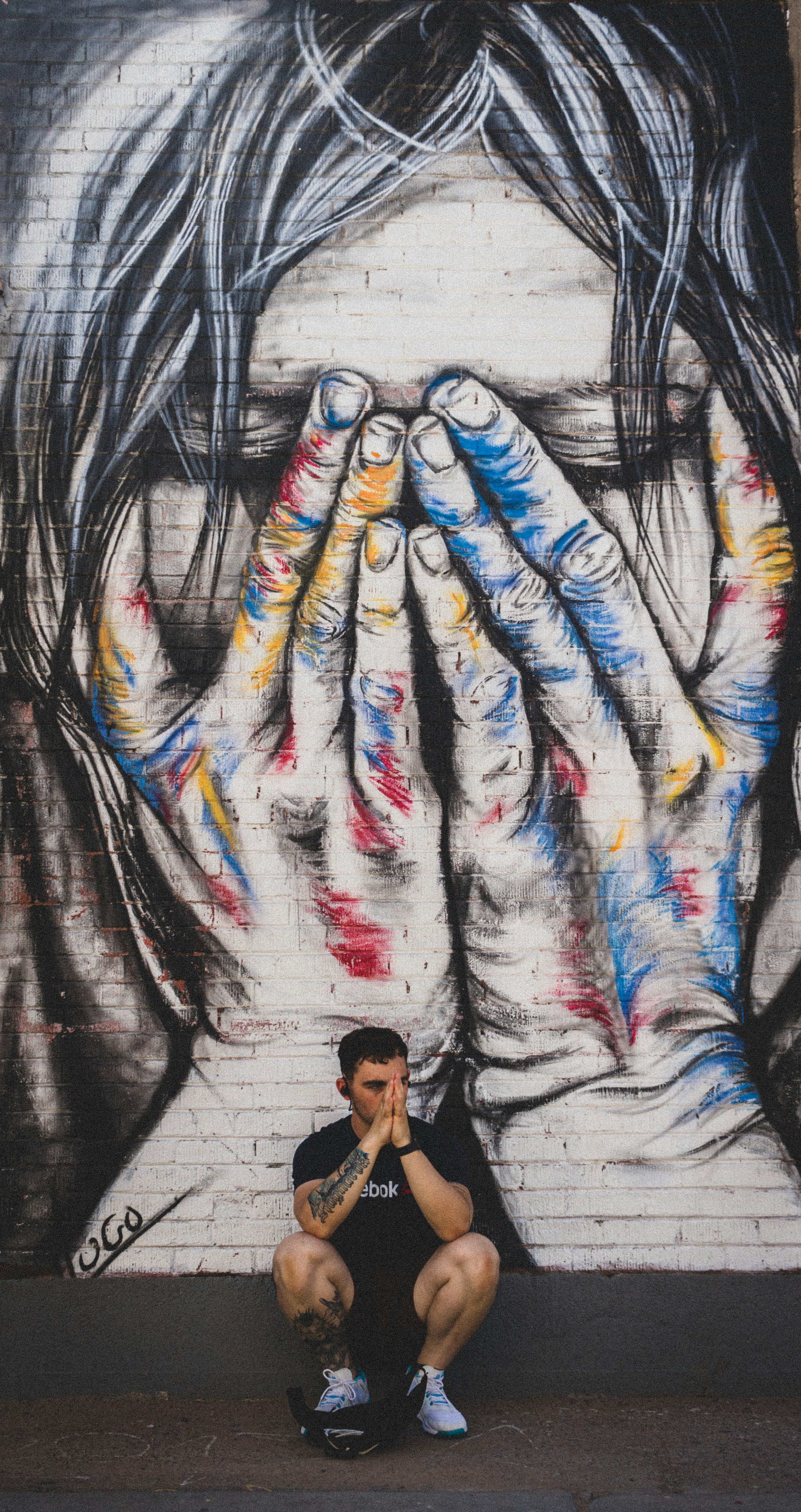
Street art grew out of graffiti culture but expanded its creative possibilities.
Instead of focusing mainly on lettering, street artists often use imagery, storytelling, symbolism, humour, or political commentary to communicate with the public.
Street art can include:
Large-scale murals
Stencil art
Wheatpaste posters
Sticker art
Sculptures
Installations
Yarn bombing
Mosaic art
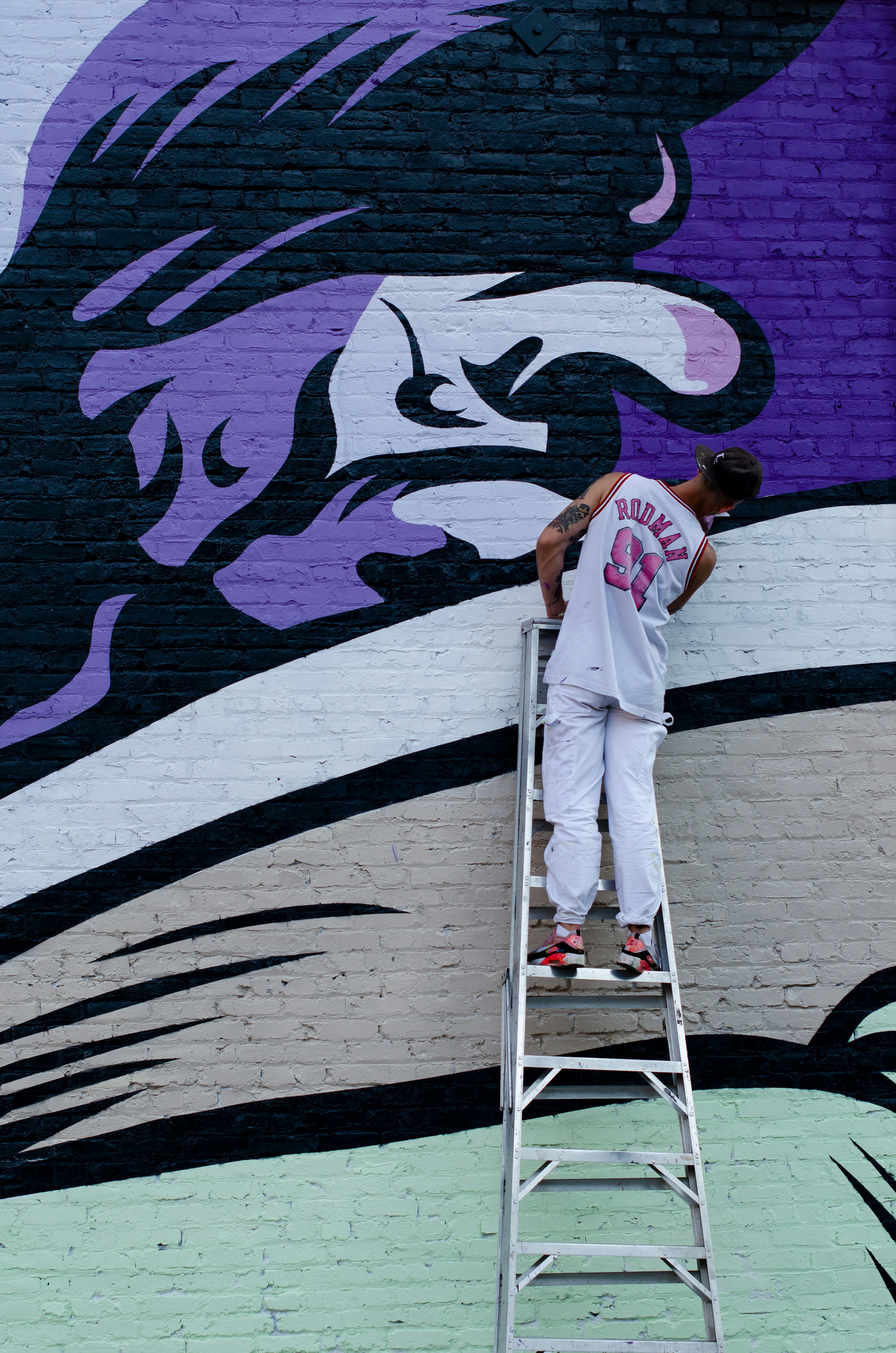
Unlike traditional graffiti, many street art projects are commissioned by cities, festivals, cultural institutions, or private organisations. This has allowed urban artists to create monumental works that transform entire neighbourhoods while remaining accessible to everyone.
However, not all street art is legal. Many artists continue creating independent interventions in public spaces without permission, preserving the rebellious spirit that connects the movement to its graffiti roots.
Graffiti vs street art: the key differences
Although there are many overlaps, several characteristics generally distinguish graffiti from street art.
Graffiti | Street Art |
Focuses mainly on lettering and signatures | Often focuses on imagery, murals, and concepts |
Originated within graffiti writing culture | Developed from graffiti but embraces many artistic disciplines |
Usually created for other graffiti writers | Often intended for the general public |
Frequently created without permission | Can be legal, commissioned, or independent |
Prioritises style, technique, and visibility | Often communicates stories, ideas, or social messages |
It's important to remember that these differences are not strict rules. Many artists produce both graffiti and street art throughout their careers.
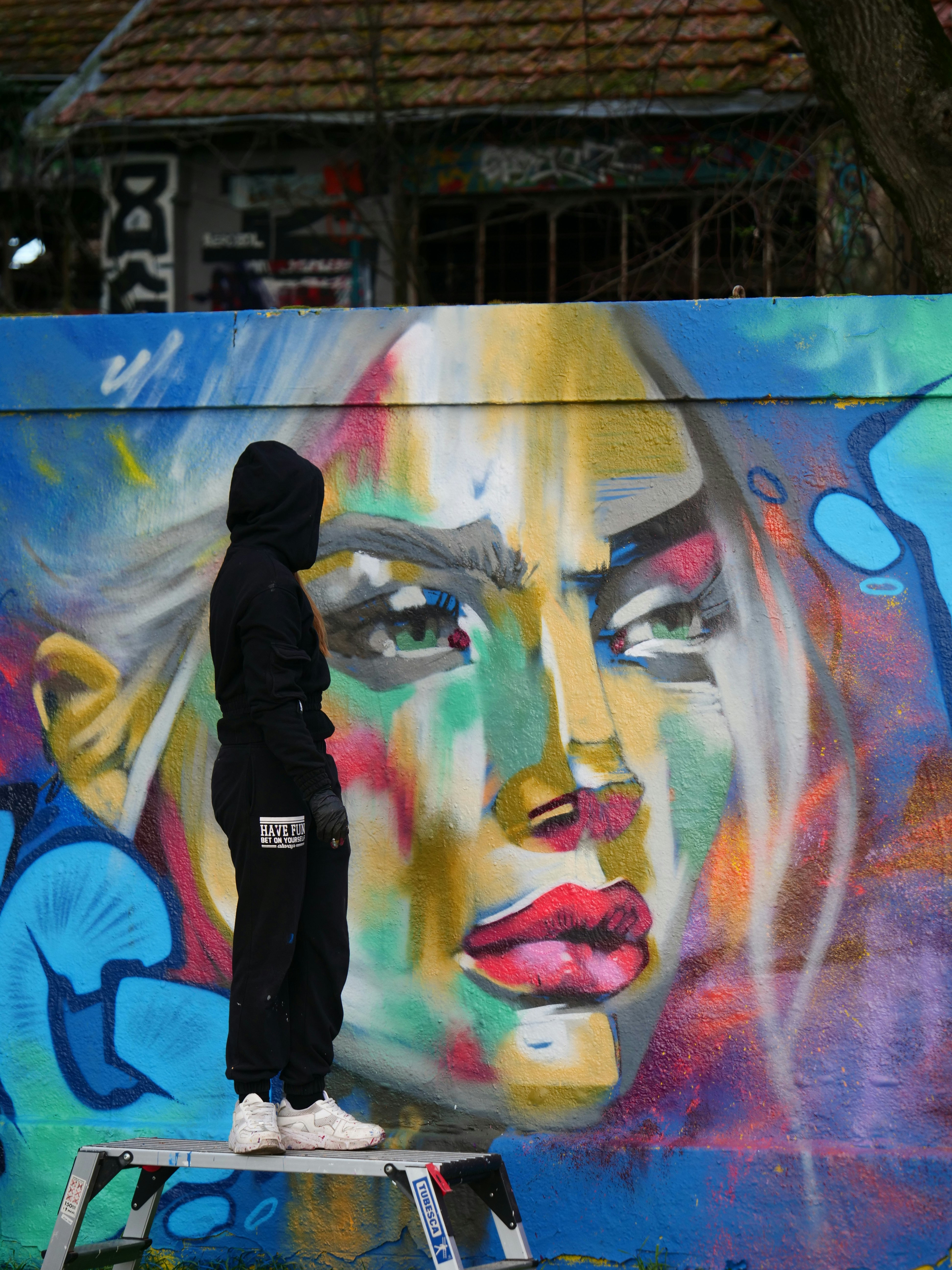
Is graffiti street art?
This is one of the most debated questions within urban culture.
Some people argue that graffiti is street art, since both are forms of artistic expression created in public spaces.
Others believe graffiti should remain its own independent movement with its own history, values, and traditions.
Many graffiti writers reject the label "street art" altogether, feeling it oversimplifies a culture built around lettering, style, and community. Likewise, some street artists prefer to distinguish their work from graffiti because their creative goals, techniques, or audiences are different.
The reality is that there is no universal definition.
Instead of viewing them as opposing movements, it is often more accurate to see graffiti and street art as overlapping branches of the broader urban art landscape.
Why the distinction matters today
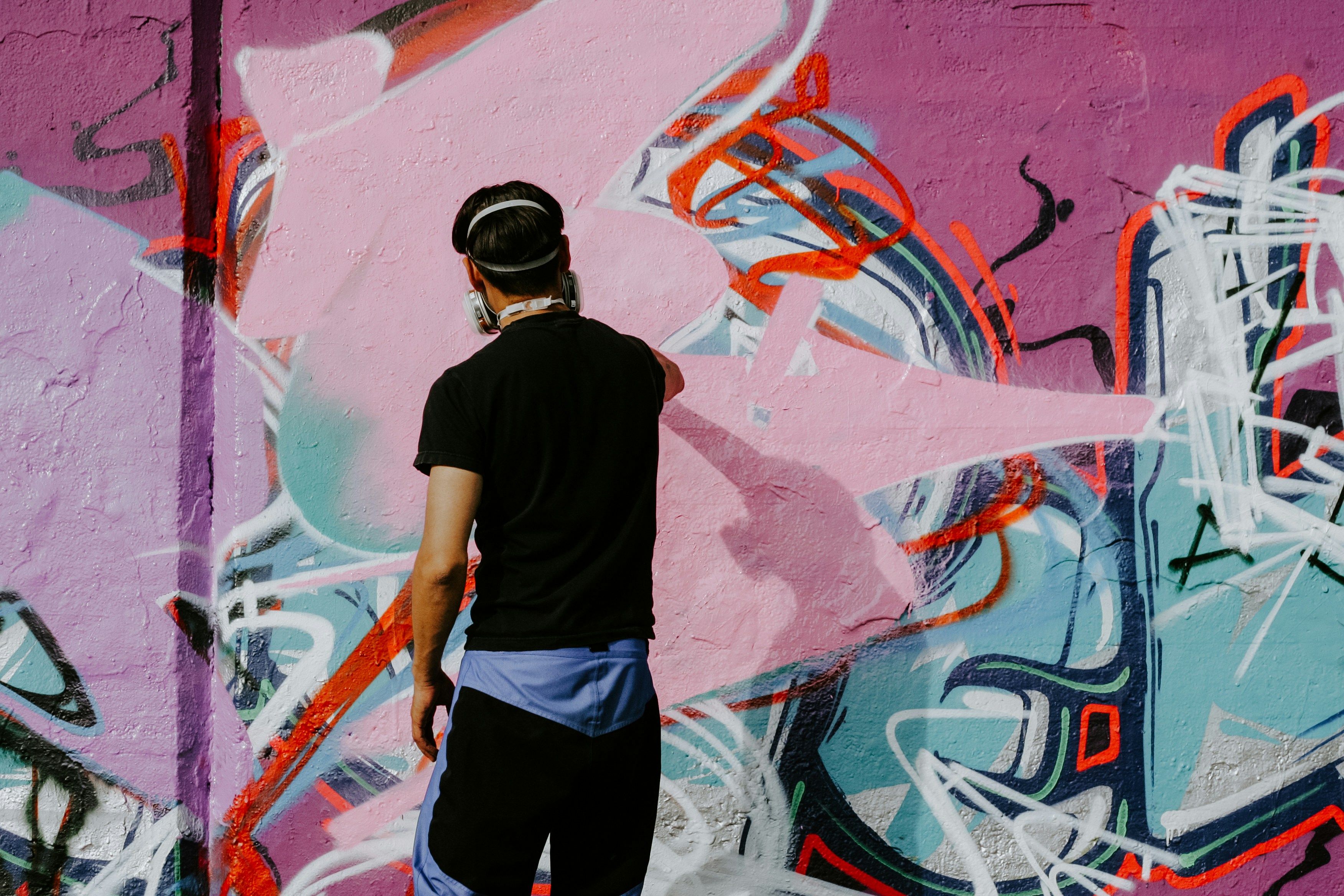
As urban art has gained international recognition, understanding these differences has become increasingly important.
Cities around the world now commission murals to revitalise neighbourhoods, attract visitors, and celebrate local culture. Like BAS, museums and galleries have also embraced urban artists, exhibiting works that were once considered temporary or even controversial.
At the same time, graffiti continues to thrive independently, preserving its identity as a creative movement rooted in freedom, experimentation, and public space.
Recognising the distinction helps visitors appreciate the diversity of urban art rather than viewing every mural or tag as the same form of expression.
Graffiti and street art in Barcelona
Barcelona is one of Europe's most exciting cities for discovering both graffiti and street art.
Neighbourhoods such as Poblenou feature large-scale murals by internationally recognised artists, while areas like El Raval showcase a constantly changing mix of graffiti, stickers, stencils, and independent interventions. Around MACBA, graffiti culture remains closely connected to skateboarding, youth culture, and creative expression.
The city's urban art scene also includes artists working across multiple disciplines. Figures such as Aryz, Sixe Paredes, Kenor, Escif, Felipe Pantone, Okuda San Miguel, Vhils, Bordalo II, Mina Hamada, and Os Gêmeos have helped redefine what contemporary urban art can be, blending graffiti traditions with murals, sculpture, abstraction, installation, and public art.
For visitors who want to explore this artistic evolution beyond the streets, BAS (Barcelona Art Street Museum) offers the opportunity to discover works by many of these internationally recognised artists in a museum setting. Rather than replacing the experience of walking through Barcelona's neighbourhoods, BAS complements it by providing context about the artists, techniques, and creative movements that continue shaping urban art today.
So, is graffiti street art?
The answer depends on who you ask.
Graffiti and street art share common roots, public spaces, and a spirit of creative freedom, but they have developed into distinct forms of artistic expression with different histories, techniques, and audiences.
Whether you're exploring colourful murals in Poblenou, discovering hidden graffiti in El Raval, or learning more about internationally celebrated urban artists at BAS, understanding the relationship between graffiti and street art offers a richer appreciation of one of the world's most dynamic art movements.