
If you have ever wondered what happens when classical Greek mythology meets contemporary street art, PichiAvo is an artist duo worth discovering. Known for transforming walls, buildings and public spaces into spectacular visual experiences, these Spanish artists have developed a distinctive style that bridges the gap between ancient art and modern graffiti.
From monumental murals featuring Greek gods to intricate paintings that combine realistic sculptures with vibrant graffiti, PichiAvo challenges the boundaries between the past and the present. Their work can be found in cities around the world, and one of their remarkable pieces is part of the collection at BAS Museum in Barcelona.
But who are the artists behind the name, what makes their work so distinctive, and where can you see it for yourself?
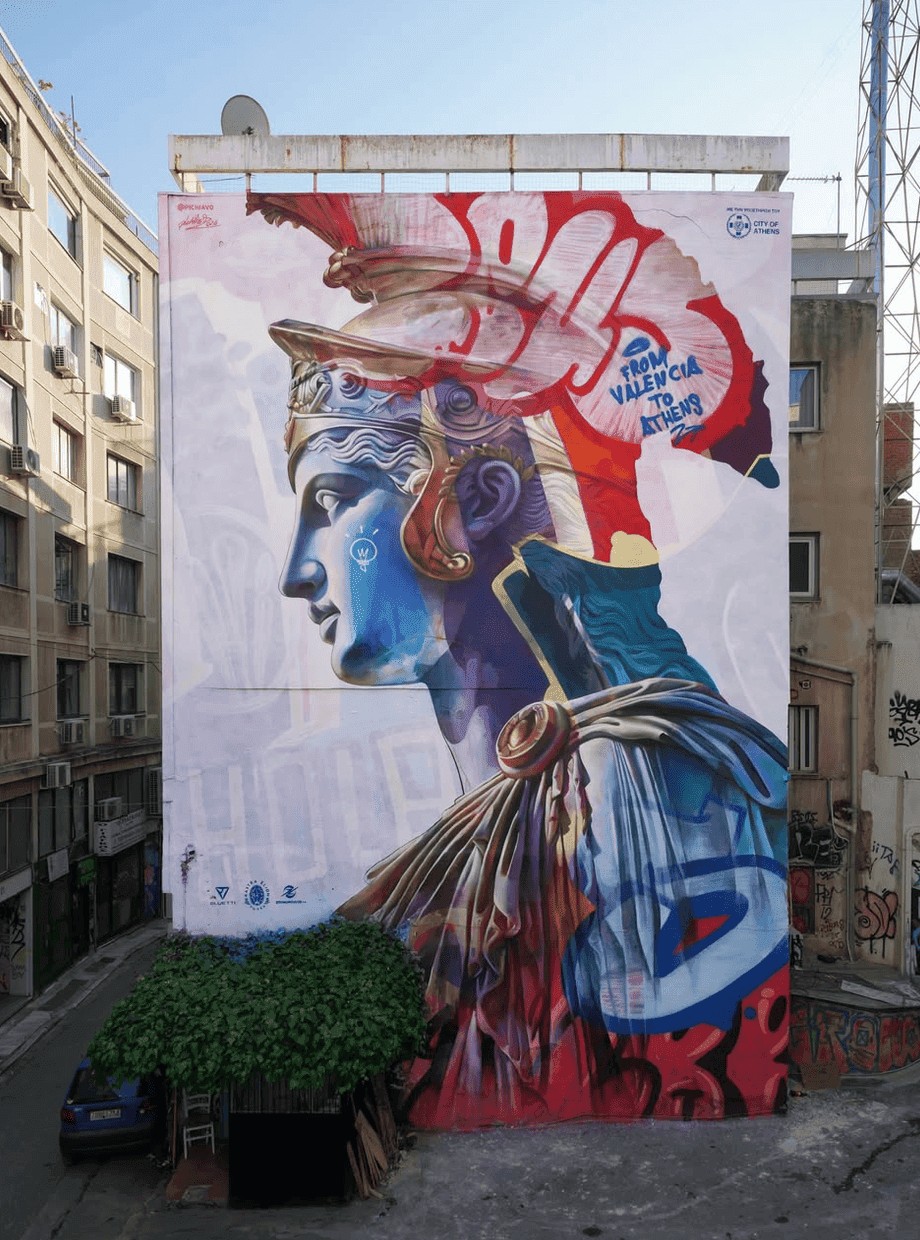
(Image credit: Pichiavo (@pichiavo) / Instagram)
Who are PichiAvo?
PichiAvo is an artistic duo from Valencia, Spain, formed by Pichi and Avo. The two artists began collaborating in 2007, combining their individual backgrounds in graffiti and fine art to create a visual language that is instantly recognisable.
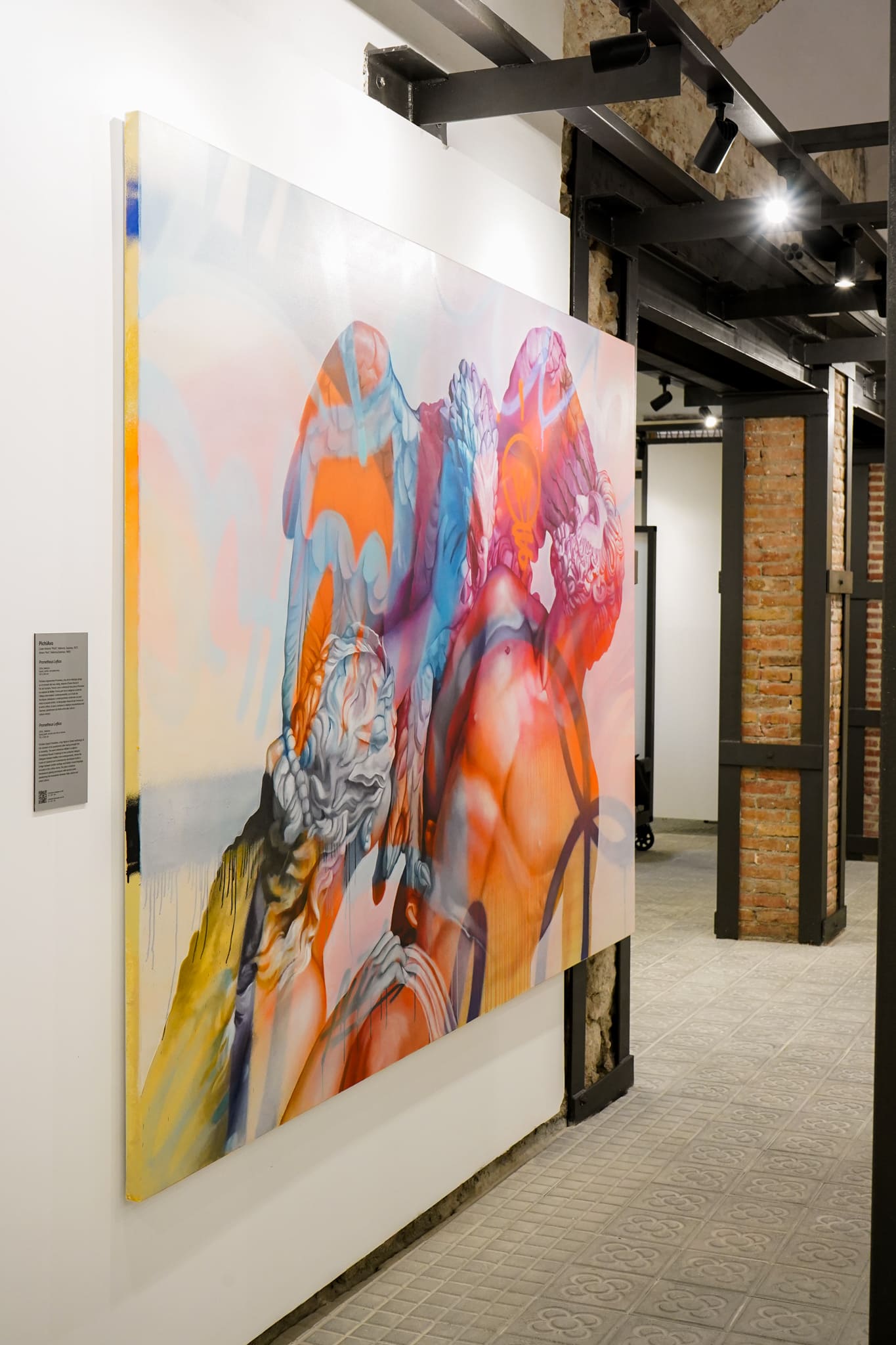
Rather than treating graffiti and classical painting as opposing art forms, PichiAvo bring them together. Their compositions frequently feature Greek and Roman gods, mythological figures, sculptural bodies and traditional ornamental details, layered with colourful lettering, expressive brushwork and graffiti-inspired textures.
The result is a fascinating contrast: figures that appear to have stepped out of an ancient museum stand against energetic backgrounds associated with contemporary urban culture.
This distinctive approach has helped PichiAvo establish an international reputation, with murals, exhibitions and public art projects across Europe, the Americas and beyond.
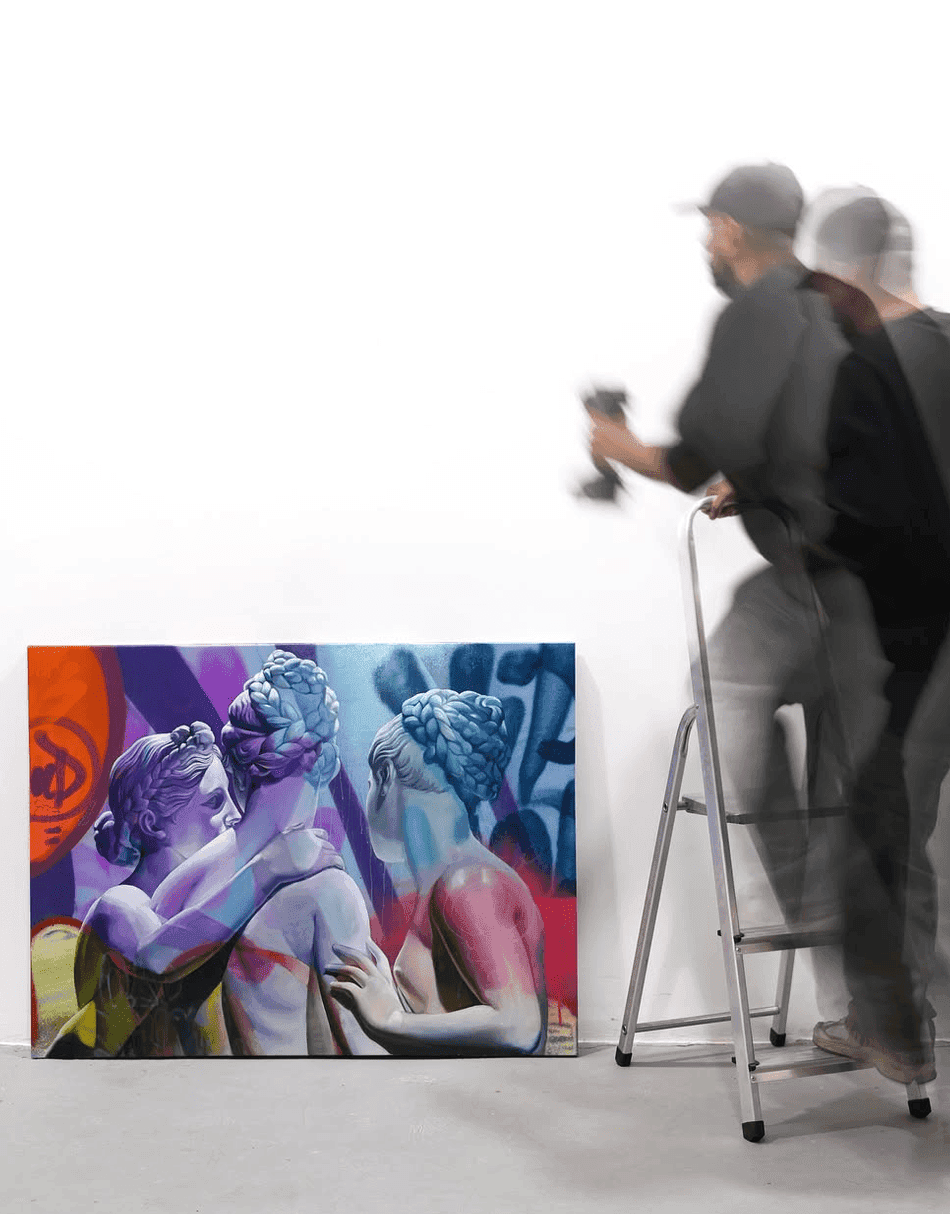
(Image credit: Pichiavo (@pichiavo) / Instagram)
What makes PichiAvo's art unique?
The appeal of PichiAvo art lies in the dialogue between two seemingly different worlds.
On one side, there is classical art: the idealised bodies, dramatic poses and intricate details associated with ancient Greek and Roman sculpture. On the other, there is graffiti: bold colours, lettering, spontaneity and the rebellious spirit of the street.
PichiAvo merge these influences without allowing either to overpower the other. Their mythological figures often appear almost three-dimensional, while the surrounding graffiti introduces movement, colour and contemporary energy.
Their work is more than a combination of classical imagery and graffiti; it is a conversation between artistic traditions. By placing ancient figures in modern urban environments, the duo invites viewers to reconsider how art evolves and how cultural influences continue to shape our cities.
Their approach also challenges the traditional distinction between high art and street culture. What was once associated with public walls and underground movements becomes part of a much broader artistic conversation.
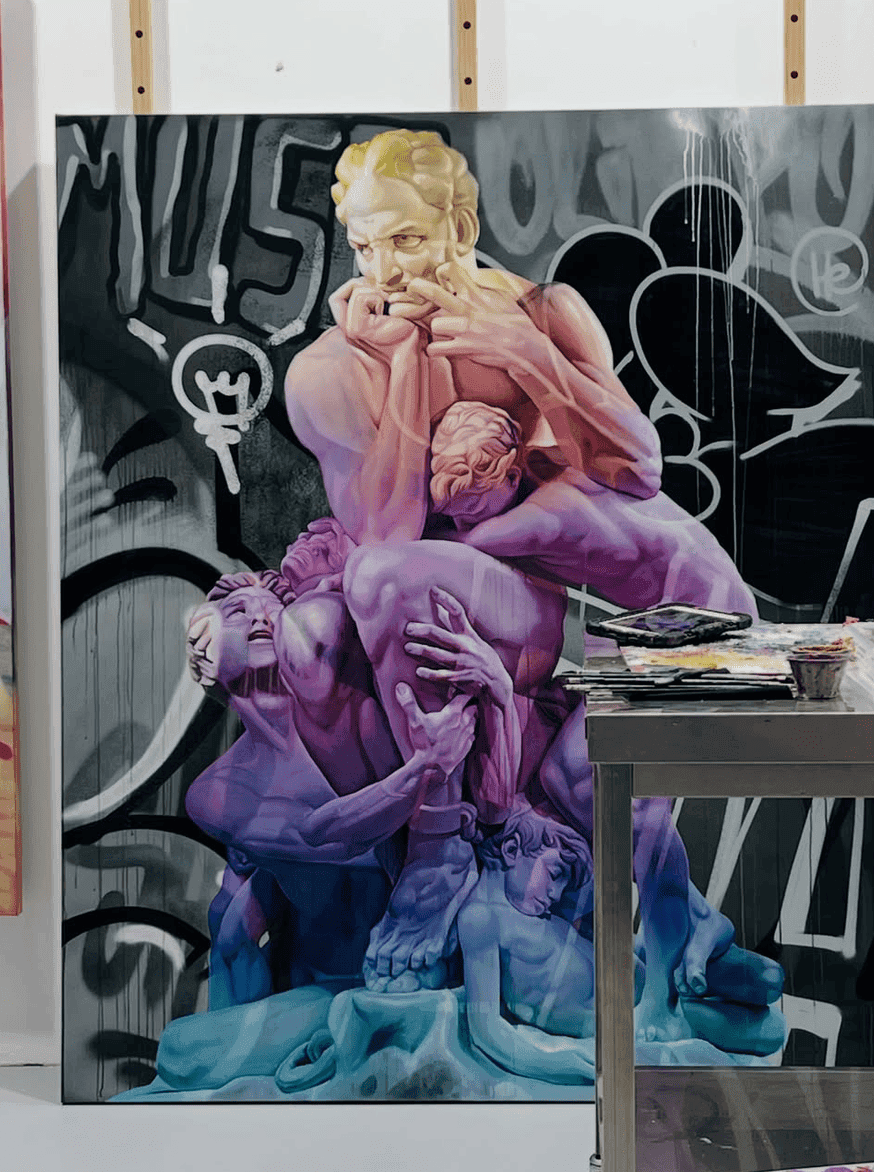
(Image credit: Pichiavo (@pichiavo) / Instagram)
From graffiti to monumental murals
Although their work has expanded into galleries, exhibitions and studio pieces, PichiAvo graffiti remains central to their identity.
Their murals often occupy enormous surfaces, allowing the artists to work with scale in a way that would be impossible on a traditional canvas. Architectural features, surrounding buildings and the movement of the city become part of the composition.
For visitors, this makes encountering their work in person particularly rewarding. The colours, textures and scale are difficult to appreciate fully through photographs alone.
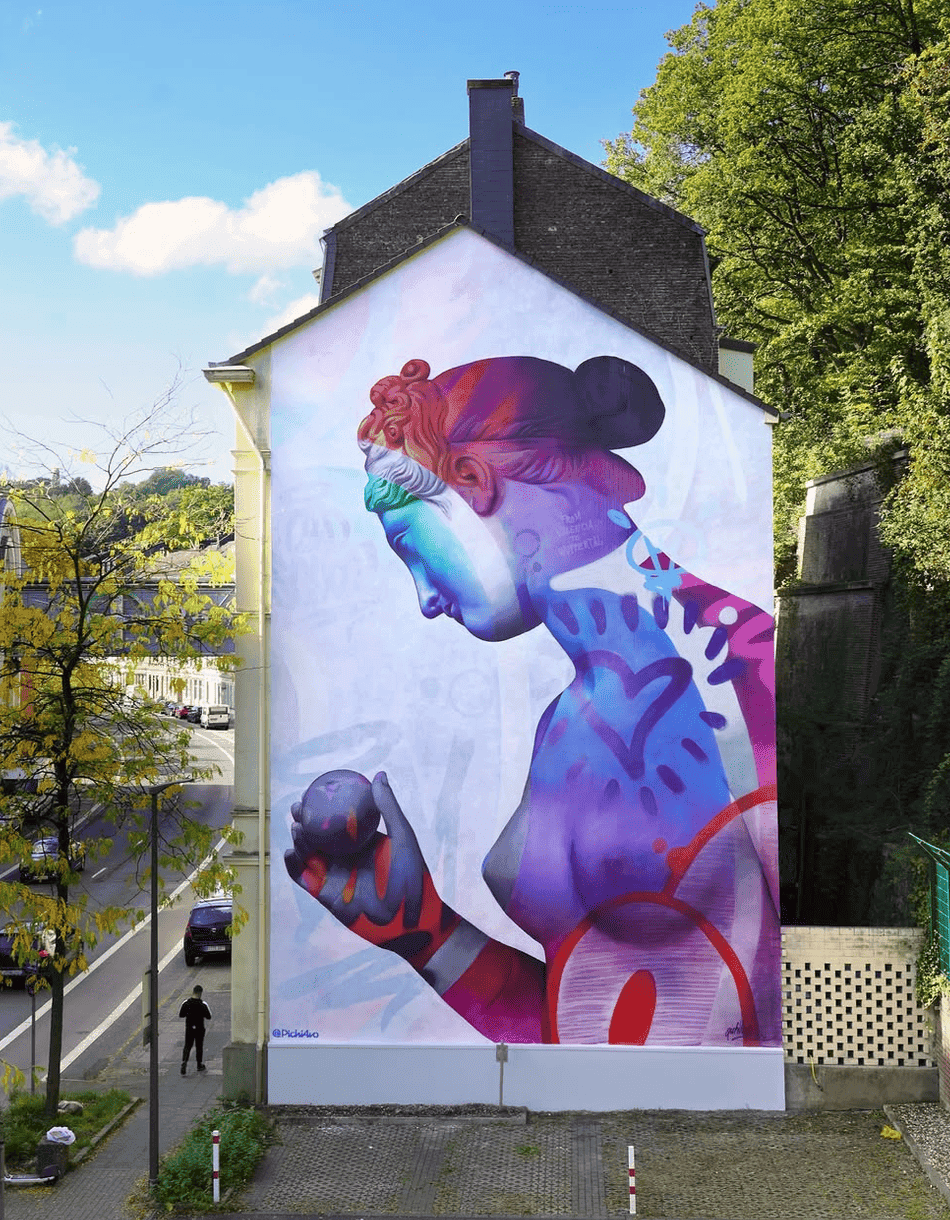
(Image credit: Pichiavo (@pichiavo) / Instagram)
Where can you see PichiAvo's art?
One of the best ways to understand PichiAvo is to explore their work in the places where it lives. From permanent museum collections to monumental outdoor murals, here are some destinations worth discovering.
1. PichiAvo in Barcelona: siscover their work at BAS Museum
If you are looking for PichiAvo in Barcelona, BAS Museum (Barcelona Street Art Museum) is an excellent place to start.
Located in Barcelona's Gothic Quarter, at Carrer de la Carabassa, 10, BAS brings together contemporary urban art in a space dedicated to the creativity and diversity of street art.
The museum's permanent collection includes more than 30 studio pieces by over 26 artists, offering visitors the opportunity to explore different approaches to contemporary urban art in one location.
PichiAvo is among the artists represented at BAS Museum, where visitors can discover one of the duo's works alongside pieces by some of the most exciting names in the international urban art scene.
The collection also features artists such as Okuda San Miguel, Escif, Aryz, Felipe Pantone, Dulk, Mina Hamada, Kenor, Os Gêmeos, Vhils, Bordalo II, Javier Mariscal, Sixe Paredes and PichiAvo's fellow urban art contemporaries.
What makes BAS particularly interesting is the opportunity to compare different artistic styles under one roof. From geometric compositions and vivid colour palettes to socially engaged works and experimental techniques, the museum demonstrates just how diverse street art can be.
For anyone curious about the relationship between graffiti, fine art and contemporary culture, it offers an accessible introduction to the artists shaping the movement today.
2. Poseidon by PichiAvo: a mythological figure on the street
One of the most recognisable themes in the duo's work is classical mythology, and Poseidon by PichiAvo mural street art, in Lisbon, is a useful example of their fascination with the ancient world.
Poseidon, the Greek god of the sea, has long inspired artists through his imposing appearance and symbolic associations with power and nature. In PichiAvo's artistic universe, mythological figures become a bridge between classical sculpture and contemporary urban expression.
When searching for this mural, check the specific location and current accessibility before visiting, as large-scale public artworks can change or disappear over time.
More broadly, Poseidon illustrates why their work attracts such attention: familiar mythological imagery feels unexpectedly contemporary when reimagined through graffiti.

(Image credit: www.pichiavo.com/)
3. PichiAvo Paris: Classical Inspiration in the City of Art
Paris is another natural destination for art lovers interested in the relationship between classical heritage and contemporary creativity.
For those searching for PichiAvo in Paris, it is worth checking exhibition announcements, gallery programmes and verified mural locations before travelling specifically to see a piece.
The contrast between Paris's historic artistic traditions and PichiAvo's contemporary visual language makes their work particularly interesting to explore in an international context.
PichiAvo Our Odyssey: the first anthology of the artistic Duo
For anyone looking to dive deeper into the creative universe of PichiAvo, Our Odyssey offers a unique opportunity to explore the journey behind their art.
PichiAvo: Our Odyssey is the artistic duo’s first anthology, commemorating ten years of their career and celebrating the evolution of their distinctive visual language. The book brings together a decade of artistic exploration, reflecting the duo’s journey in combining classical art, mythology and contemporary graffiti.
More than a retrospective, Our Odyssey represents an opportunity to look at how Pichi and Avo developed their signature style, bringing together the timeless beauty of classical sculpture and the energy of urban culture.
For anyone fascinated by PichiAvo’s murals, paintings and distinctive fusion of artistic traditions, this book provides another way to discover the story behind the art.

(Image credit: Pichiavo (@pichiavo) / Instagram)
Can you buy PichiAvo prints?
If seeing their work inspires you to bring some of that creativity home, you may be interested in PichiAvo prints for sale.
The availability of prints and other collectible works can vary depending on the artist's releases, authorised retailers and current stock. The best starting point is PichiAvo's official website and verified gallery partners.
Before purchasing, check the edition size, authenticity, dimensions and whether the work is an original, a limited-edition print or a reproduction. These details matter if you are collecting art rather than simply looking for a decorative piece.