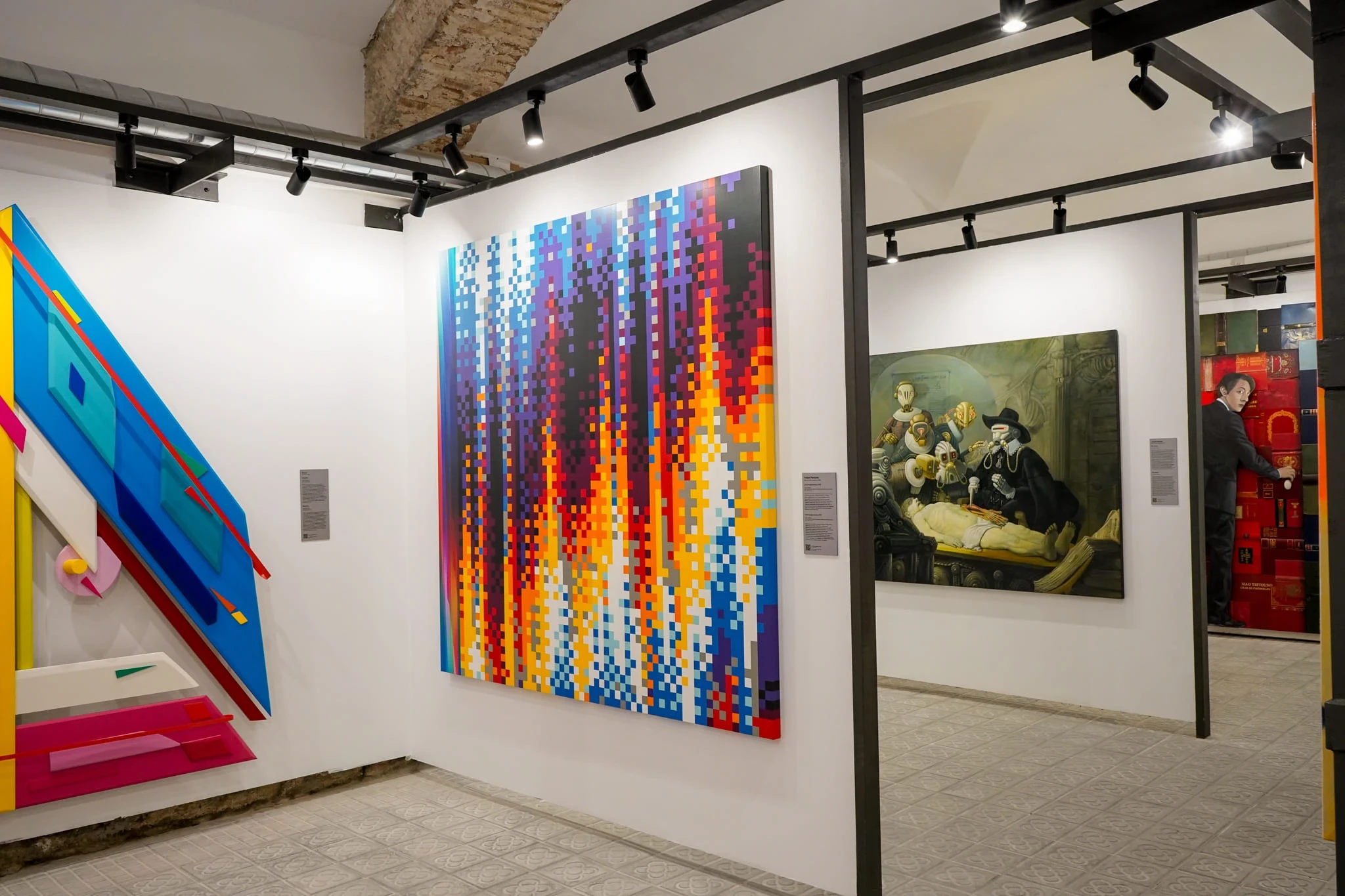
If you've ever been captivated by vibrant gradients, glitch-like effects, and geometric explosions of color, chances are you've already encountered Felipe Pantone. One of the most innovative names in contemporary street art, Felipe Pantone has transformed the visual language of street art by combining graffiti culture with digital aesthetics, kinetic design, and optical illusion.
Today, Felipe Pantone’s art can be found on city walls, in prestigious museums, private collections, and public installations around the world. But who is the artist behind these futuristic creations, and where can you experience his work in person?
Who is Felipe Pantone?
Felipe Pantone is one of the most famous urban artists whose work bridges the gap between graffiti, fine art, graphic design, and technology. Born in Argentina in 1986 and raised in Spain, he began painting graffiti at the age of 12, developing his artistic identity within the urban art scene before expanding into galleries and large-scale commissions.
Although his roots lie in graffiti, Felipe Pantone’s street art has evolved far beyond traditional lettering. His murals and installations are instantly recognizable for their use of vivid gradients, pixelated transitions, bold geometric forms, chrome finishes, and visual distortions that evoke speed and movement.
Pantone often explores themes such as digital transformation, the relationship between humans and technology, and the rapid pace of modern life. His artworks reflect the visual language of our digital era while remaining deeply connected to the rebellious spirit of street art.
His work has been exhibited across Europe, North America, Asia, Australia, and the Middle East, making him one of the most influential urban artists of his generation.
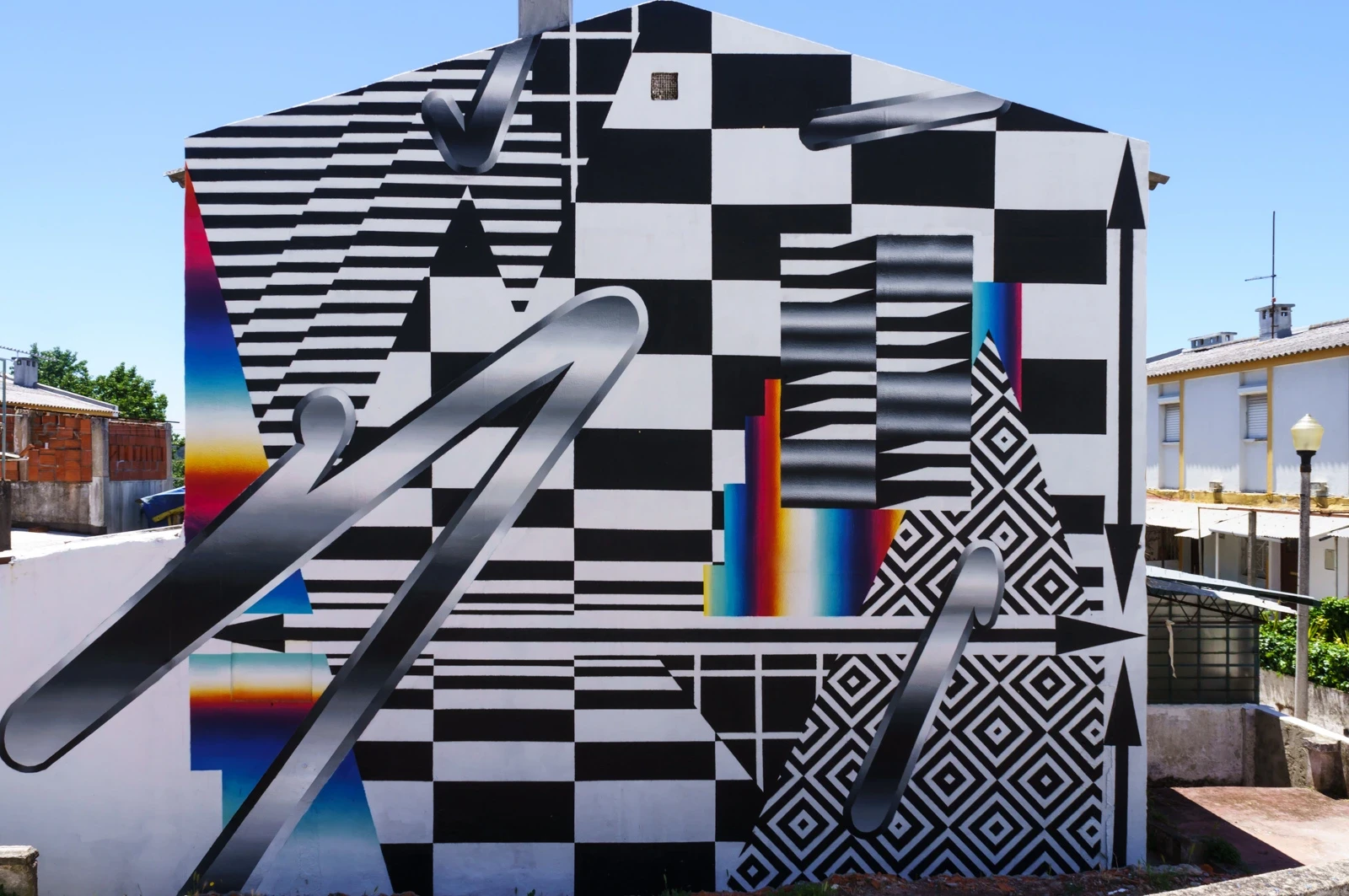
(Photo: "LUSALITE - 131" by r2hox, licensed under CC BY-SA 2.0. Cropped from the original.)
What makes Felipe Pantone's art unique?
The appeal of Felipe Pantone’s art lies in its ability to feel both futuristic and timeless.
Instead of relying on figurative imagery, Pantone creates abstract compositions built from:
Vibrant neon gradients
Optical illusions
Pixelated effects
Geometric shapes
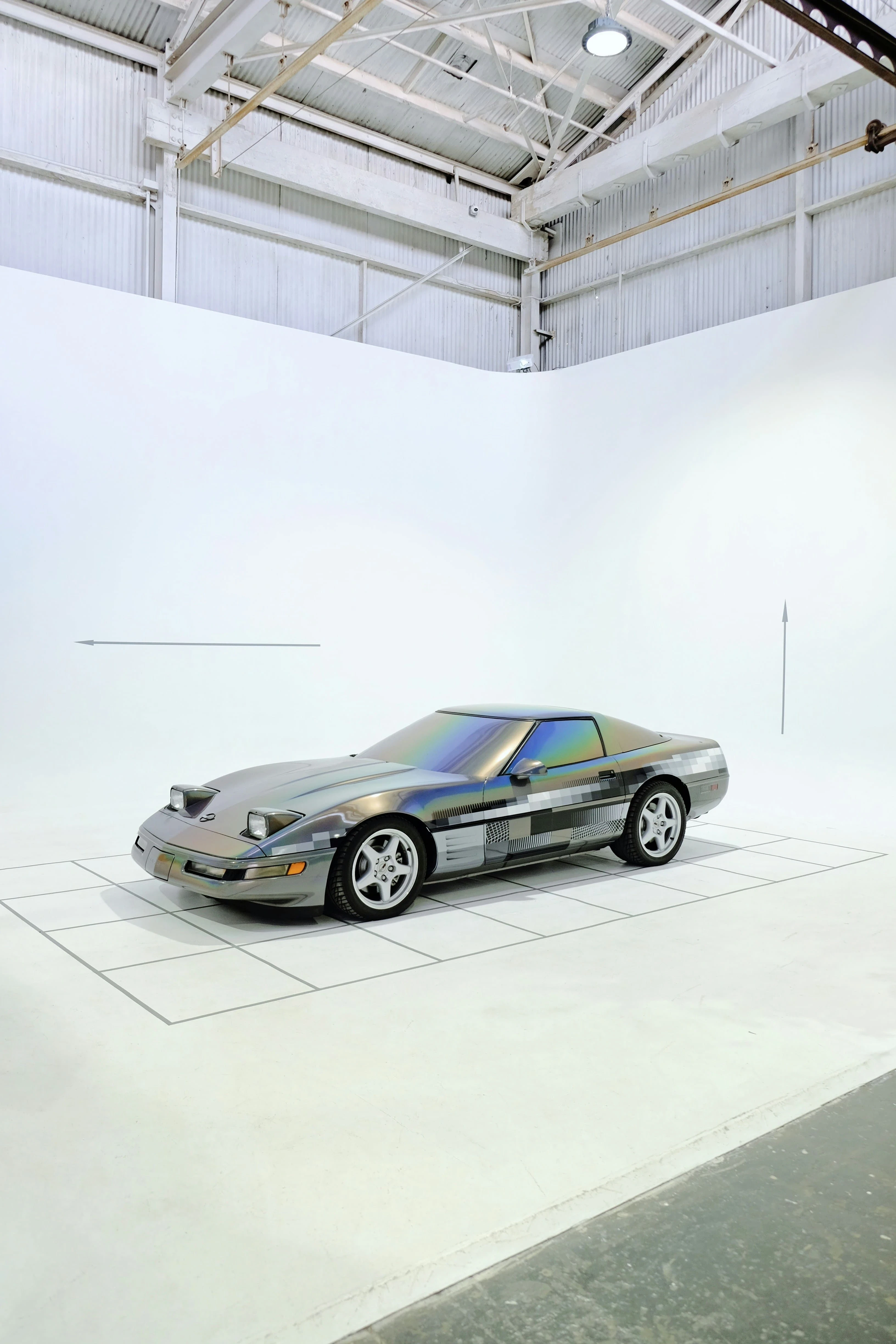
Metallic and reflective surfaces
Dynamic lines that suggest movement
Many critics describe his style as "the aesthetics of the digital age." Rather than depicting technology, he uses the visual vocabulary of screens, glitches, and digital interfaces to create immersive experiences.
His work also challenges the boundaries between disciplines. Depending on the project, Felipe Pantone’s artwork may appear as:
Monumental murals
Sculptures
Paintings
Interactive installations
Public art commissions
Digital experiences
This versatility has allowed him to collaborate with brands, museums, and cultural institutions while remaining highly respected within the global graffiti community.
Why is Felipe Pantone so influential in street art?
Modern Felipe Pantone art represents a new chapter in urban creativity.
Where early graffiti focused primarily on lettering and identity, Pantone introduced an entirely different visual language inspired by technology, speed, and digital culture. His murals transform ordinary buildings into optical experiences, inviting viewers to move around them and perceive changing perspectives.
His influence can now be seen across a new generation of muralists experimenting with gradients, motion effects, and abstract compositions.
Although his work has evolved considerably since his graffiti beginnings, he continues to embrace the public space as one of his primary canvases, reinforcing the idea that street art can coexist with contemporary fine art.
If you're interested in learning more about other iconic figures who have shaped urban art, explore our guides to Banksy and Okuda San Miguel.
Can you see Felipe Pantone's work in a museum?
Absolutely.
A growing number of museums and contemporary art institutions have embraced Felipe Pantone’s artwork, recognizing its importance within today's artistic landscape.
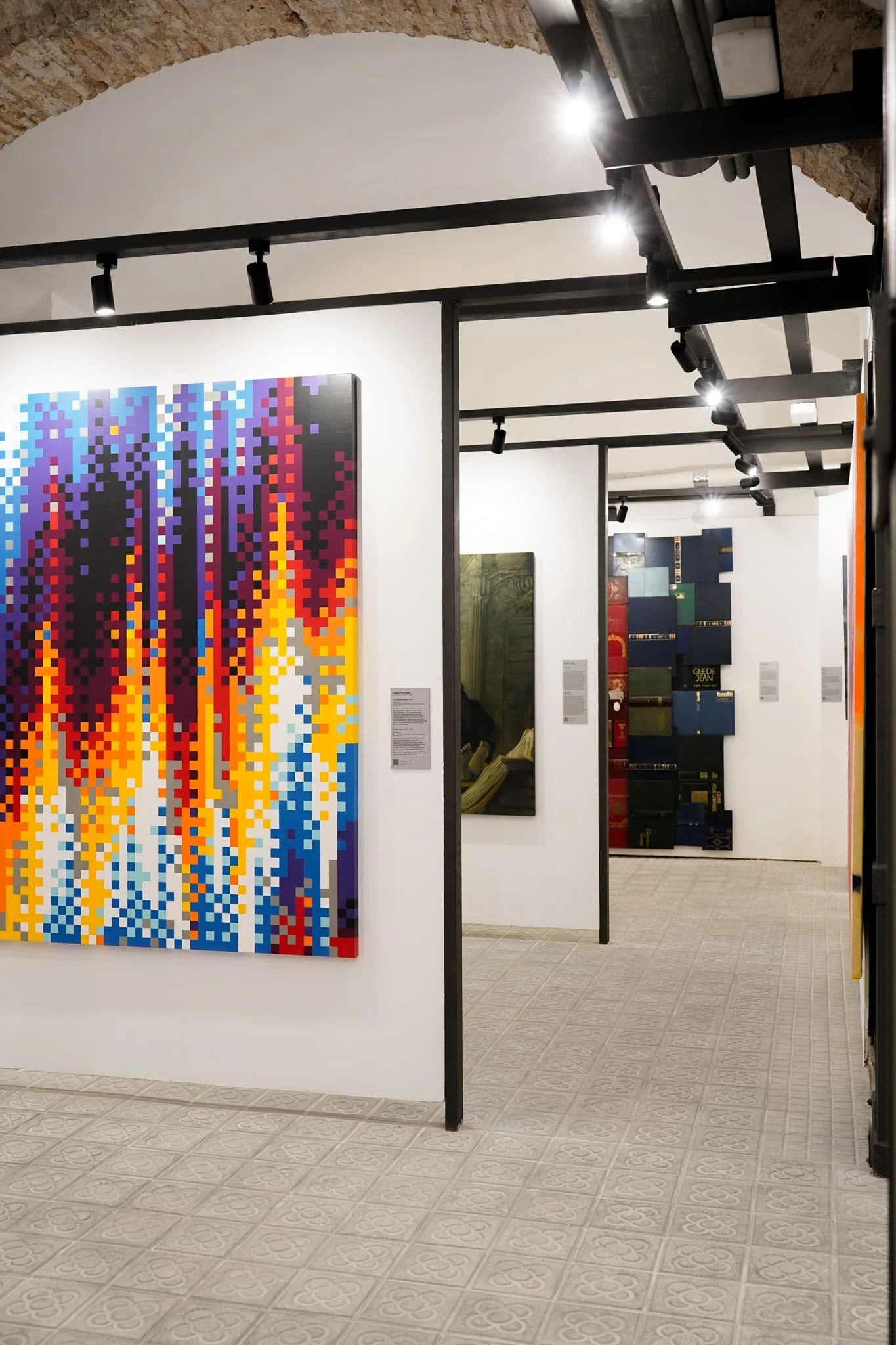
One of the best places to experience his work in Barcelona is the Barcelona Art Street Museum (BAS Museum).
Our permanent collection includes an original work by Felipe Pantone alongside pieces by some of the world's most celebrated urban artists, including Okuda San Miguel, Vhils, Escif, Bordalo II, Aryz, Pichiavo, Sixe Paredes, Dulk, Javier Mariscal, and many more.
Unlike temporary displays, the museum allows visitors to appreciate Pantone's work within the broader evolution of international street art.
Whether you're already familiar with his career or discovering him for the first time, BAS Museum offers a unique opportunity to experience Felipe Pantone up close.
Why do people search for "Felipe Pantone face"?
One of the more curious online searches is Felipe Pantone's face.
Unlike many contemporary artists who actively cultivate a public persona, Pantone has generally preferred to let his work speak for itself. While photographs of the artist certainly exist, his public image has never been central to his artistic identity.
This relative privacy reflects his graffiti origins, where the artwork traditionally mattered more than the artist's appearance.
As a result, searches for Felipe Pantone face continue to attract attention from people curious about the individual behind these visually striking creations.
Discover Felipe Pantone in Barcelona
Whether you're passionate about graffiti, contemporary art, or digital design, Felipe Pantone represents one of the most exciting voices in modern urban art.
His bold visual language has redefined what street art can be, inspiring artists across the globe while continuing to push creative boundaries.
If you're visiting Barcelona, BAS Museum is one of the best places to see Felipe Pantone’s artwork alongside works by other internationally acclaimed artists. It's an opportunity to explore how urban art has evolved from the streets into one of today's most dynamic artistic movements.
Want to discover even more influential creators? Read our guide to the most famous urban artists and continue exploring the artists shaping cities around the world.