
Barcelona is famous for its Gothic architecture, historic landmarks and lively streets. But beyond its medieval façades, the city has another artistic side worth discovering: urban art that transforms public spaces and brings contemporary creativity into the historic centre.
The Gothic Quarter (Barri Gòtic) is not the place to find Barcelona's largest street art murals. Instead, exploring its streets means discovering smaller artistic interventions, graffiti and public artworks that coexist with centuries of history.
If you want to explore this side of Barcelona’s street art on foot, this self-guided route will take you through several streets and squares in the Gothic Quarter, highlighting places to look for urban art and a few artistic landmarks worth seeing along the way.

1. Carrer d'Avinyó: look for urban art in the side streets
Start your walk around Carrer d'Avinyó, a historic street connecting different parts of the Gothic Quarter. Known for its shops, restaurants and narrow side streets, it offers an opportunity to explore beyond the neighbourhood's most famous tourist attractions.
As you walk, pay attention to walls, shutters and street furniture. Small-scale urban art often goes unnoticed when you are rushing between landmarks, so take your time and look at the details around you.
You may encounter graffiti, stickers or other informal artistic interventions, although these can change or disappear over time. Rather than expecting a specific mural, approach this part of the route as an opportunity to observe the changing visual character of the neighbourhood.
From here, continue towards the nearby Plaça de George Orwell.
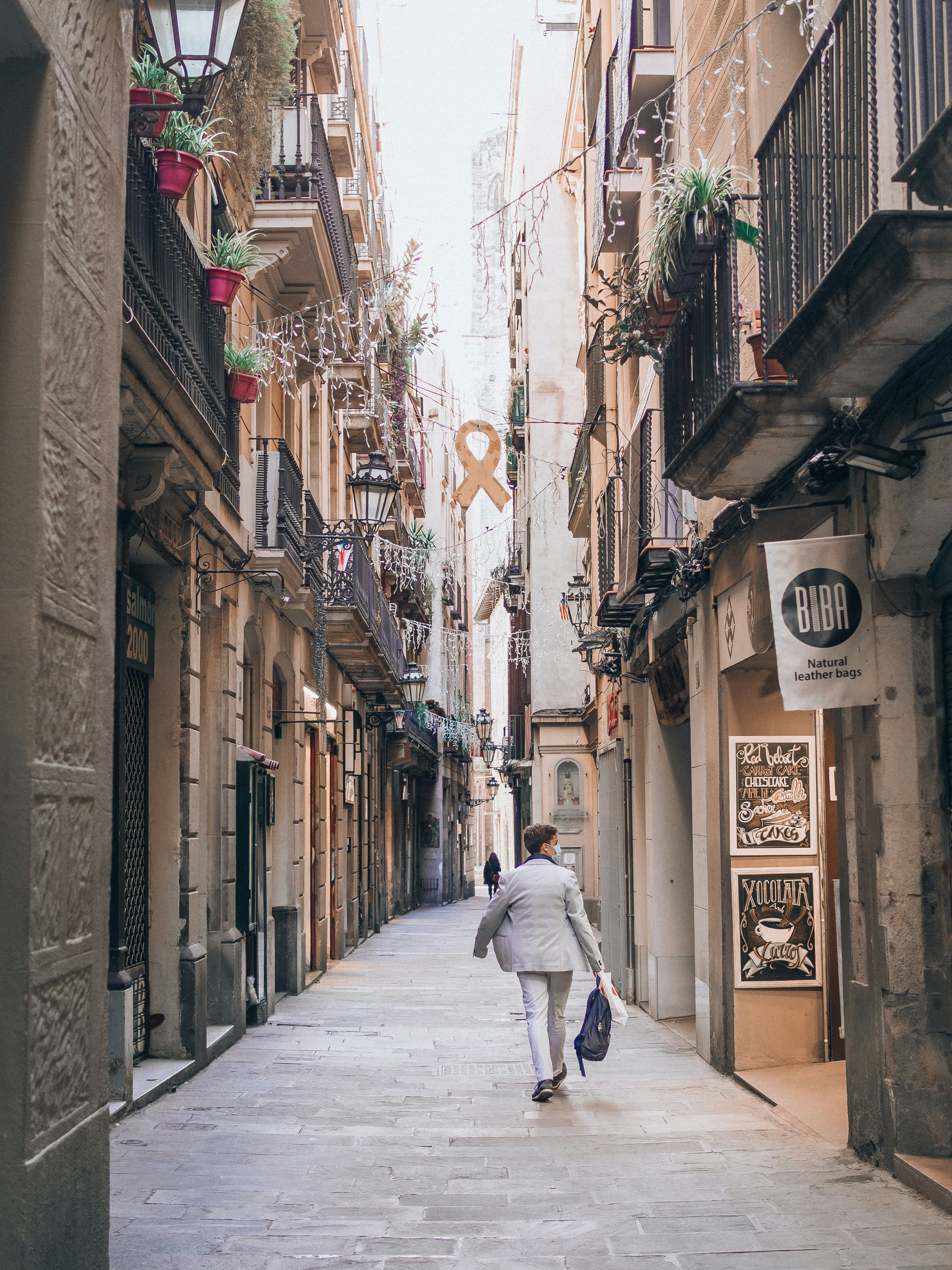
2. Plaça de George Orwell: an alternative side of the Gothic Quarter
Plaça de George Orwell offers a different atmosphere from the Gothic Quarter's traditional medieval squares. Named after the British writer, the square is a popular meeting point surrounded by bars and narrow streets.
The surrounding area has an urban character that makes it interesting to explore if you enjoy alternative culture and street-level artistic expression.
Look out for graffiti, stickers and small interventions, keeping in mind that street art is constantly evolving. Not every visit will reveal the same pieces, and there may not always be a prominent artwork to photograph.
This stop is also a good reminder that urban art is not limited to commissioned murals. It can include a variety of visual expressions that reflect the people who use and shape a city.
From the square, continue exploring the nearby streets before heading towards the next artistic landmark.
3. Carrer d'en Xuclà: discover the mural Gats
One of the most interesting ways to explore Barcelona's artistic heritage is to look for specific works rather than simply wandering around in search of graffiti.
Carrer d'en Xuclà is associated with Gats, a mural by illustrator Arnal Ballester dating from 1998 that has been restored. This work offers a more concrete artistic reference for your walk through the historic centre.
Unlike spontaneous graffiti, a mural of this kind has a recognisable artistic identity and a place within Barcelona's wider visual culture.
Take a moment to appreciate the illustration and its relationship with the surrounding street. The appeal of urban art lies not only in its size, but also in the stories, styles and ideas behind each work.
As with any outdoor artwork, check its current condition before making a special trip to see it, as restoration work or changes to the surrounding space may affect what is visible.

(Image credit: Ermes Vitali)
4. Plaça d'Isidre Nonell: see a striking example of public art
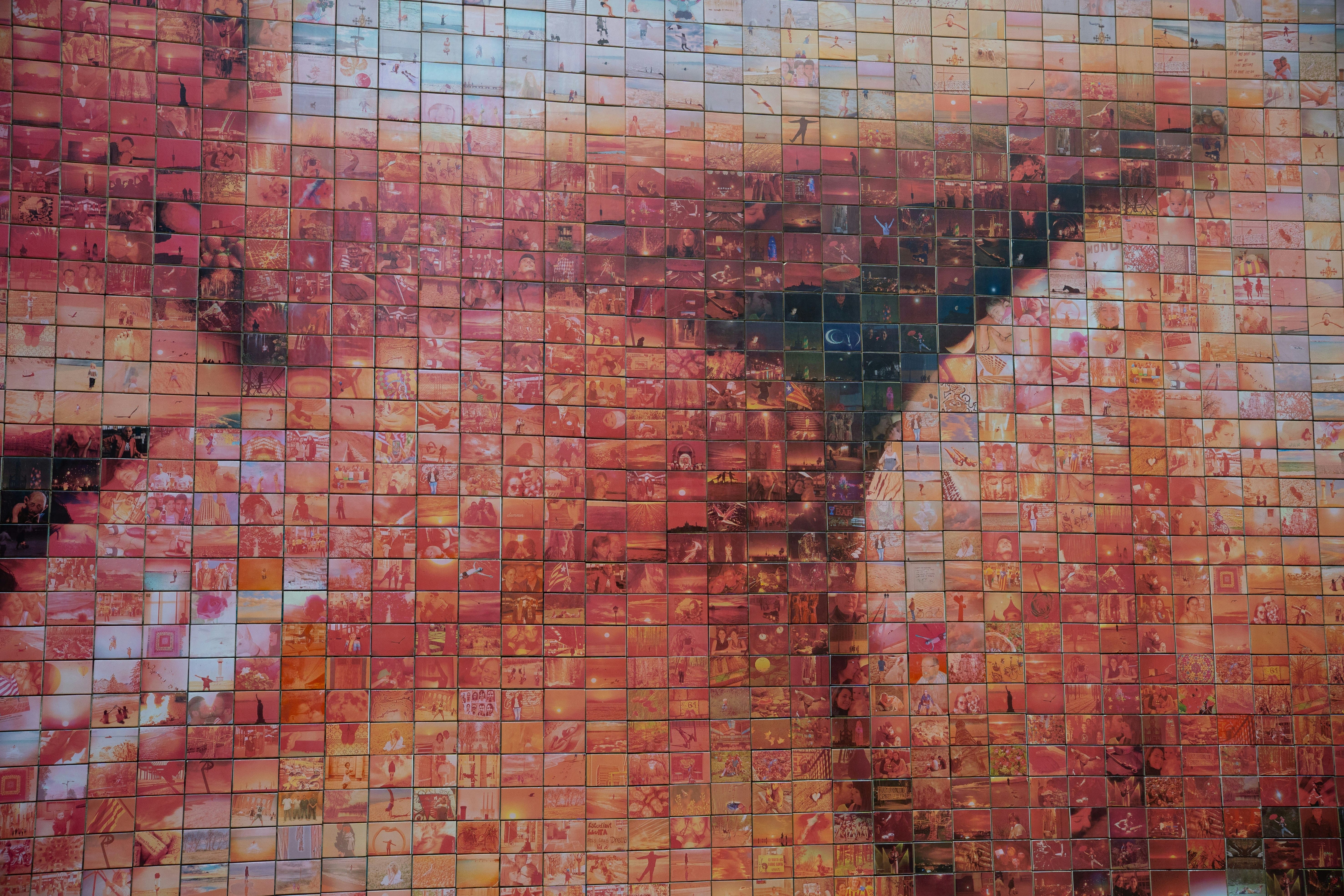
Continue towards Plaça d'Isidre Nonell, where you can discover El món neix en cada besada (The World Begins with Every Kiss), a large photographic mosaic by Catalan artist Joan Fontcuberta.
Created for Barcelona's 2014 Tricentenary celebrations, the artwork is made up of thousands of photographs submitted by members of the public. Viewed from a distance, the individual images combine to create a larger composition.
Although this is public art rather than street art in the strict sense, it fits naturally into a walk exploring the different ways creativity appears in Barcelona's streets.
It is also a great place to stop for photographs and appreciate how an artwork can become part of a neighbourhood's identity.
From here, you can continue exploring the surrounding lanes or head towards the final stop on your route.
5. Carrer de la Carabassa: finish with a cultural stop
To finish your walk, make your way towards Carrer de la Carabassa, 10, where you will find the Barcelona Art Street Museum (BAS).
After exploring urban art in its street environment, visiting a museum dedicated to the movement offers another perspective on the creativity behind it. BAS brings together works by national and international artists, allowing visitors to appreciate different styles, techniques and artistic approaches in an exhibition space.
It is a particularly interesting final stop if you want to understand street art beyond graffiti on walls and discover how the movement has evolved into a broader artistic language.

What else can you discover beyond the Gothic Quarter?
If you want to explore more of Barcelona's urban art scene, the Gothic Quarter is an excellent starting point for discovering other neighbourhoods.
El Raval: Known for its multicultural atmosphere and alternative creative scene, El Raval offers a different perspective on urban art. Follow our guide to street art in El Raval for another self-guided route.
Gràcia: Explore a neighbourhood where decorated shop shutters, smaller interventions and artistic details blend into everyday life. Our guide to Street Art Gràcia will help you discover another side of Barcelona.
Poblenou: If you prefer industrial landscapes, larger walls and expansive murals, head to Poblenou. Discover more in our guide to street art in Poblenou.

Tips for your street art walk
Before setting off, keep these simple recommendations in mind:
Wear comfortable shoes. The Gothic Quarter is best explored on foot, and its narrow streets can take you further than expected.
Look up and around. Artistic details can appear on shutters, doorways and walls you might otherwise overlook.
Bring your camera. The combination of historic architecture and contemporary urban culture offers plenty of photographic opportunities.
Respect the neighbourhood. Avoid blocking doorways, disturbing residents or entering private spaces to photograph artworks.
Stay flexible. Street art changes over time, so enjoy the discoveries you make rather than expecting every piece to be in a fixed location.